
Nightlife Entrepreneurs
Your Weekly Event Needs an Operating System, Not Just a Flyer
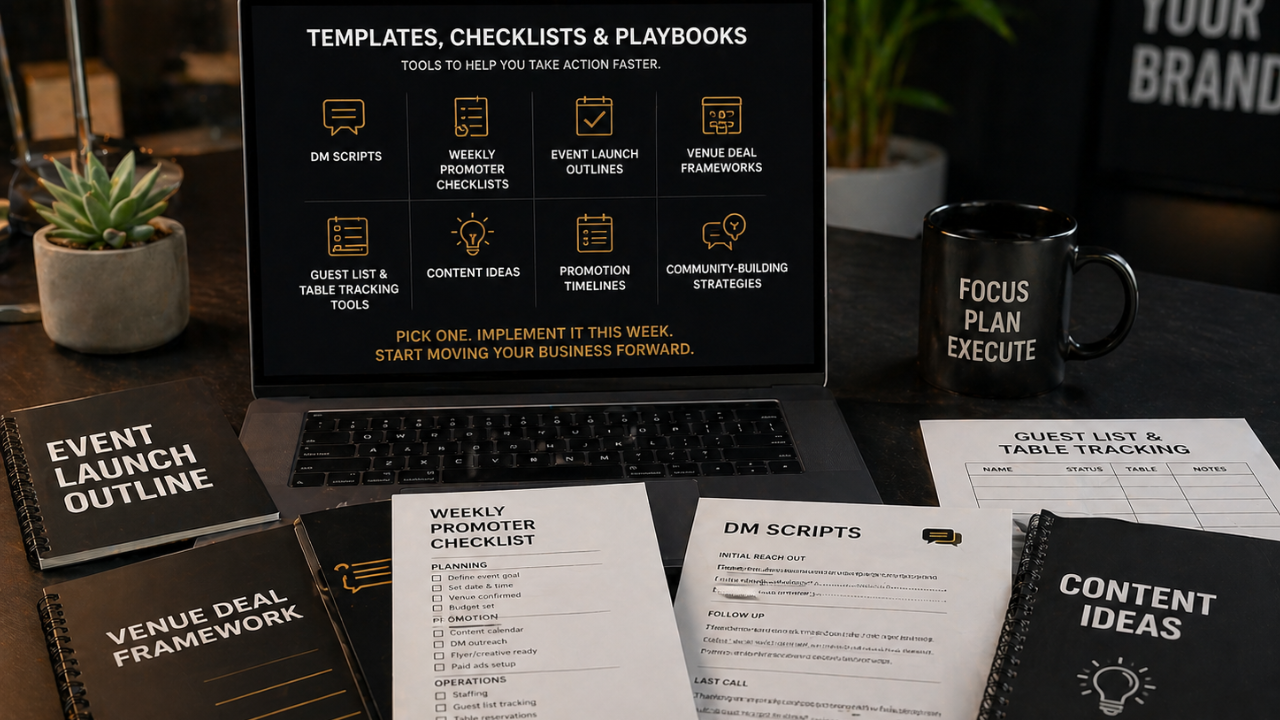
One of the biggest mistakes I see in nightlife is this:
People think the flyer is the plan.
They make the graphic, post it on Instagram, text a few people, hope the DJ shares it, and then act surprised when the room does not build the way they imagined.
The flyer is not the plan.
The flyer is one asset inside the plan.
If you want a weekly event to grow, you need an operating system.
Not something complicated. Not a corporate binder nobody reads. I am talking about a simple weekly rhythm that keeps the promoter, DJ, venue, staff, content, guest list, table sales, and follow-up moving in the same direction.
That is what separates a random party from a real nightlife property.
A weekly event is a machine
Every weekly event has moving parts:
- The concept
- The audience
- The venue
- The music
- The hosts
- The door
- The guest list
- The tables
- The content
- The staff
- The recap
- The follow-up
If those parts are not connected, the night feels random.
And random is expensive.
Rand...
How to Turn a Quiet Night Into a Revenue Opportunity Without Discounting Your Brand
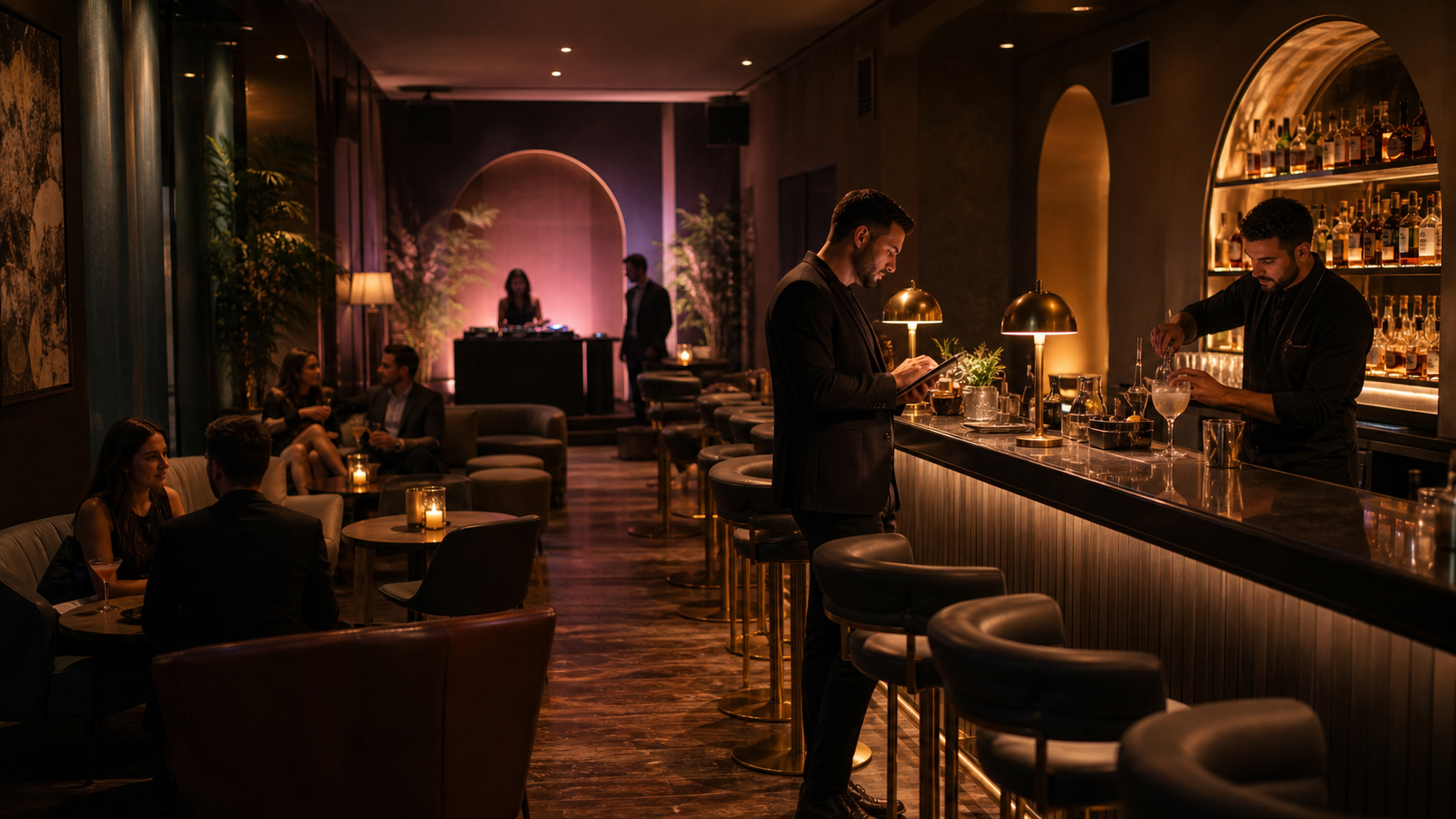
Every venue has a night nobody wants to talk about.
The room is beautiful. The staff is ready. The bar is stocked. The lights are on.
But the energy is not there yet.
Maybe it is Tuesday. Maybe it is an early Wednesday. Maybe it is Sunday after brunch. Maybe it is a shoulder season week when everybody is saving money, traveling, or waiting for the next big weekend.
Most people look at those nights and say, "We just need more promotion."
Sometimes that is true.
But a lot of the time, the problem is not promotion.
The problem is programming.
Nightlife isn't dying. It's evolving. And one of the biggest opportunities for venues, promoters, DJs, and hospitality operators is learning how to turn quiet nights into intentional nights.
Not desperate nights.
Not "free cover and cheap drinks" nights.
Intentional nights.
Do not confuse slow with worthless
A slow night can still be valuable if you know what you are building.
The mistake is treating every night like it has to become Sa...
Nightlife Isn't Dying. It's Evolving. Why I Wrote the Book Now
For a long time, people have been saying nightlife is dying.
They say clubs are not what they used to be. They say people do not go out like they used to. They say younger generations do not drink the same way, spend the same way, dance the same way, or commit to the same weekly rituals.
And honestly?
Some of that is true.
But the conclusion is wrong.
Nightlife is not dying.
Nightlife is evolving.
That is why I wrote my new book, Nightlife Isn't Dying. It's Evolving.
Not because I wanted to write another opinion piece about the industry. Not because I wanted to complain about the old days. And definitely not because I think the future belongs only to the people who already made it.
I wrote it because I believe the next generation of nightlife and hospitality entrepreneurs needs a different conversation.
The old nightlife playbook is not enough anymore
When I came up in this business, a lot of us learned by doing.
We promoted parties, made mistakes, lost money, packed rooms,...
The Evolution of Nightlife Post-Pandemic. Into Daylife?
And why the party is far from over — it’s just getting smarter.
The pandemic didn’t kill the nightlife industry — it transformed it. And if you’ve been paying attention, you’ve seen the shift firsthand. It’s no longer just about what happens between midnight and 4AM. The new nightlife is all-day, all-types-of-vibes, and all-about-choice.
When lockdowns hit, we lost more than revenue and packed dance floors — we lost connection, ritual, and the in-person magic that only nightlife delivers. But we also gained something: a wake-up call. A moment to hit pause, rethink, and evolve.
Day Parties Are the New After Parties
Look around today and you’ll notice something wild: brunches, day parties, coffee meetups, and even “dinner parties that turn into dance floors” are now competing with — and sometimes replacing — the traditional club night.
What used to be “pre-game” is now the main event.
As someone who’s been in this game for over 30 years, I’ve never seen this level of diversity in n...
How to Build a Loyal Fanbase as a Club Promoter

Tips to Keep Your Audience Coming Back
Building a loyal following in the nightlife industry is a powerful tool for any club promoter. A solid fanbase doesn’t just mean packed events—it means creating unforgettable nights with supporters who can’t wait to come back for more. At Nightlife University, we believe that creating loyalty is all about authentic connection, consistency, and giving people an experience they’ll talk about.
Here’s how you can start building a dedicated fanbase as a club promoter:
- Be Authentic and Build Real Connections
People are drawn to authenticity. Show your personality and engage with attendees genuinely—remember their names, greet them warmly, and make them feel appreciated. These connections set the foundation for lasting loyalty. - Deliver Quality Experiences Every Time
The best way to keep people coming back is by exceeding expectations. Every event should feel unique and high-quality, from the lineup to the decor. When people know they’ll always have ...
The Global Rise of Non-Alcoholic Bars and the Benefits They Bring to Our Community

The world of nightlife is constantly evolving and in recent years, one trend that has been on the rise is the global popularity of non-alcoholic bars. From London to Los Angeles, cities all over the world are seeing an increase in bars that serve up non-alcoholic drinks and a nightlife experience that doesn't revolve around alcohol.
So why the sudden interest in non-alcoholic bars? For one, many people are looking for healthier options when it comes to socializing and having a good time. With growing awareness of the dangers of excessive alcohol consumption, more and more people are seeking alternatives that don't involve getting drunk or hungover.
Another factor is the rise of sobriety and the "sober curious" movement. A growing number of people are choosing to live a sober lifestyle, whether it's for health, personal, or spiritual reasons. Non-alcoholic bars provide a welcoming and supportive environment for people who are sober or are looking to reduce their alcohol consumption.
...Nightlife in the Metaverse?

Nightclubs have been a staple in the entertainment world for decades, providing a place for people to dance, socialize, and let loose. But as technology advances, the concept of a "nightclub" is starting to evolve as well.
Have you heard of the metaverse?
The metaverse is an immersive virtual world that is being developed by a number of companies and organizations. It is essentially a digital universe where people can interact with each other and their environment in real-time.
So, what does this have to do with nightclubs?
Well, as the metaverse becomes more advanced and more widely adopted, it's possible that nightclubs will start to exist within it. Imagine being able to enter a virtual club, where you can dance to your favorite music, socialize with people from around the world, and even interact with the environment in ways that you can't in the real world.
This may sound like science fiction, but it's closer to reality than you might think. There are already virtual nightclu...
Nightlife and the recession

The nightlife industry, like many others, has been hit hard by the ongoing recession.
In the short term, the recession has meant that many nightclubs, bars, and other venues have been forced to close their doors. According to a survey by the Night Time Industries Association, around 60% of nightclubs in the UK alone had to close permanently since the pandemic began. In the US, the National Independent Venue Association estimated that 90% of independent venues were at risk of closing permanently.
But as with any crisis, there's always an opportunity to be found.
The nightlife industry will have to adapt and evolve in order to survive. Many nightlife entrepreneurs pivoted to online platforms to reach customers. Virtual events such as online concerts and DJ sets became popular in 2020, and some nightclubs even started streaming their events online. As more people were staying at home and looking for ways to socialize, these online offerings provided a sense of connection and communi...
With crisis comes opportunity

I am definitely a firm believer that we should not be frustrated or down once we arrive at a crisis but don't take it from me. It was Albert Einstein who said, “in the midst of every crisis, lies great opportunity.”
Notice he even used the adjective: "great" to describe the opportunities that lie ahead.
Of course, we know that Einstein was not talking about a worldwide pandemic at the time but he did not exclude any crisis either, and here is why I believe that it applies.
The immediate reaction from people when a crisis begins is confusion, anxiety, fear, and disbelief. You don't have to feel all of them but it is very likely that you will go through at least one of them. Some people may go as far as all of the above. You may even see a few people who experience panic which is even more advanced.
So, how do all of those feelings turn into opportunities? I know it sounds awful and now that we have all gone through a worldwide crisis we can all understand what may provoke those re...
Is it time for technology in the nightlife industry?

With all the craziness going on in the nightlife industry and all the unknowns this is the best time for tech startups and hospitality experts to join forces and come up with great solutions that not only help during the hard times but maybe even change the way we are used to doing things.
Nightlife has been around since the late 19th century as far back as Webster Hall which was built in 1886 and it saw its changes in the early 20th century as commercial entertainment was more common and accepted but just as early as 1920 it saw its first struggle with PROHIBITION yet the industry answered back with speakeasies which did well until 1933 with the repeal of prohibition and the end of the Great Depression.
In the 1940s came Television and taverns started to use them to draw crowds but in the late ’50s early 60’s The TV was in 90% of households and this was direct competition back in those days.
Then came Rock and Roll giving life to Nightclubs with live music into the ’70s. (not that Jaz...
Stay connected with news and updates!
Categories
All Categories
Have you read it?
Julio talks about his journey from being an immigrant at an early age and not being the most popular, not too confident and not having a clue about this Industry all the way to becoming the expert he is today. If this book doesn't motivate you to dive into the industry head first we don't know what will.
