
Nightlife Entrepreneurs
When Event Plans Change, Your Guests Need to Hear From You
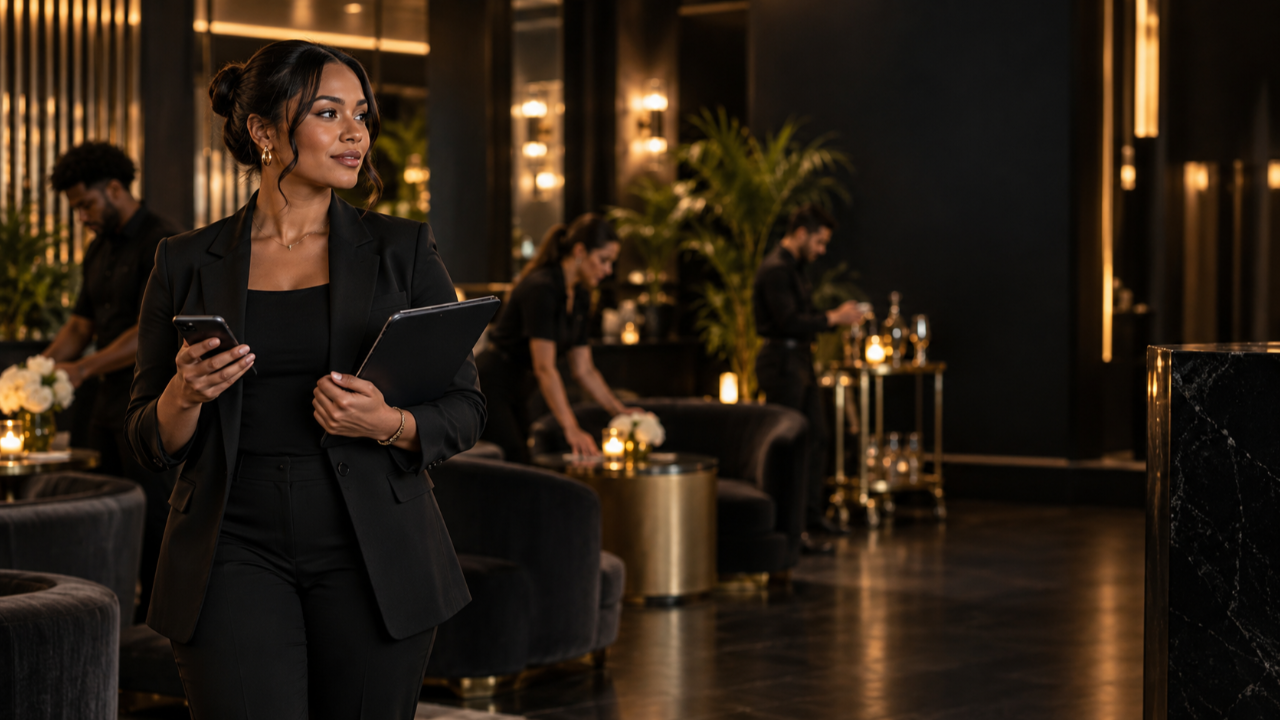
A guest can do everything you asked and still end up with the wrong information. They saved the flyer, arranged a ride, invited a friend, and planned their evening around the time you gave them. Then the event changes, a new graphic goes up, and the team assumes everybody knows.
That assumption puts the work on the guest. They have to notice a new post, compare it with the old one, decide which version is correct, and find someone who can explain what it means for their plans. I believe the people who trusted the original invitation deserve a clearer answer than that.
In nightlife, changes happen. A start time moves, a performer becomes unavailable, a space falls through, or an organizer decides the event cannot go ahead. How you communicate during that moment becomes part of the experience people associate with your name.
Confirm what you can actually tell people
Before you send an update, speak with the person responsible for the event and establish what is confirmed. If the loca...
When a Promoter Should Say No to an Opportunity

When you are trying to build a name in nightlife, an invitation can feel like proof that you are finally getting somewhere. A venue wants to meet. Someone asks you to join a lineup. A friend has a room available and thinks you would be perfect for it. You start imagining what it could become before you have asked what you are actually agreeing to do.
I want more promoters to get opportunities. I also want them to develop the judgment to choose the ones they can handle well. Your name on an event means something to the people you invite. They are making plans partly because they trust you, and that trust deserves more thought than an excited yes in a group chat.
Give yourself time to understand the invitation
There is nothing unprofessional about saying, “I'm interested. Let me understand the role before I commit.” That sentence gives you room to ask questions without pretending you already have every answer.
Imagine someone offers you a Friday night and says you can “bring your peo...
Walk the Room Like a Guest Before You Promote It
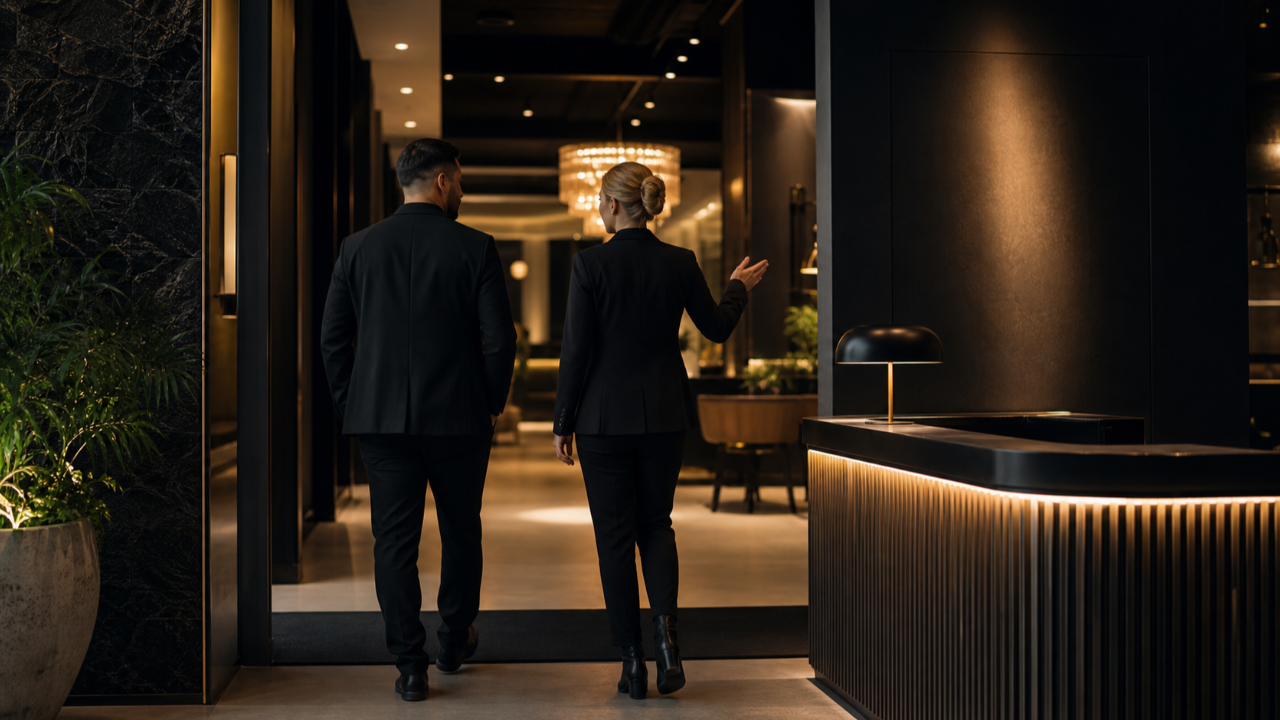
Walk the Room Like a Guest Before You Promote It
Before you put your name on a flyer, send a guest-list link, invite your people, or promise a certain kind of night, walk the room like a guest.
I mean really walk it.
Do not stand in the booth, look at the lights, and assume the venue is ready because the room photographs well. Start outside. Find the parking or drop-off point. Walk toward the entrance. Look at the sign. Stand where the line will form. Ask yourself what a first-time guest sees, hears, feels, and understands before they get through the door.
That small habit can save a promoter, a DJ, a manager, or a venue owner from a lot of expensive surprises.
Nightlife is not only promotion. It is not only music. It is not only a beautiful room or a strong recap video. It is a sequence of human moments. If the experience is confusing before the guest even reaches the bar, the marketing has to work twice as hard to get them back.
Nightlife is not dying. It is evolving. The teams...
The Test Night: How Smart Operators Pilot New Ideas Before They Scale
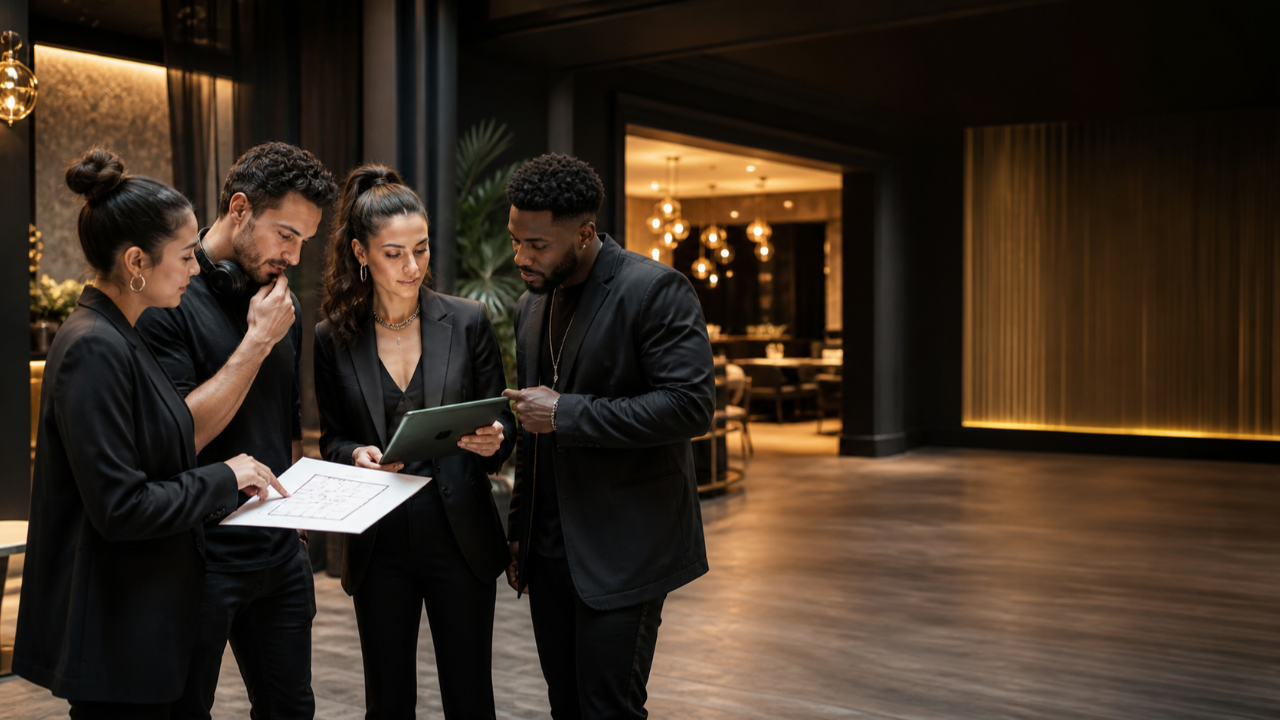
The Test Night: How Smart Operators Pilot New Ideas Before They Scale
One of the biggest mistakes I see in nightlife is treating every new idea like it has to become a full launch immediately.
Someone has an idea for a daytime social. A DJ wants to try a different room. A venue wants to bring in a new community. A promoter notices that their usual crowd is changing. A restaurant wants to add music after dinner. A hotel wants to create a stronger local following. Then the pressure starts: make the flyer, book too much talent, spend on production, invite everybody, promise the world, and hope the market understands it on the first try.
That is a lot of pressure to put on an untested idea.
I believe nightlife is not dying. It is evolving. That means the people who will build the future are not the ones who copy every trend or bet the whole business on one big announcement. They are the people who know how to listen, test, learn, adjust, and then build with confidence.
That is what a ...
The Hospitality Handoff: Where Good Nights Get Lost Between Teams
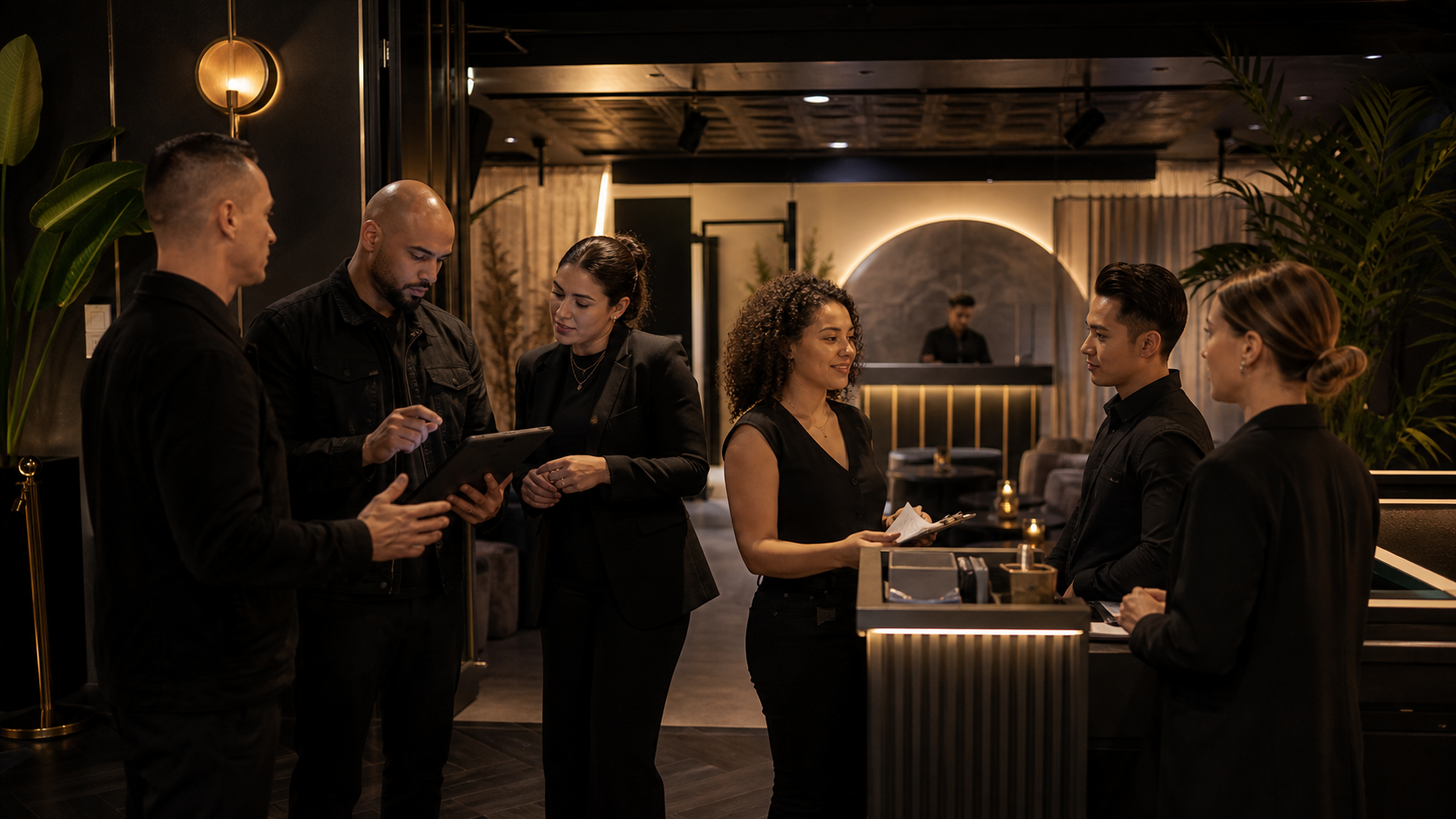
The Hospitality Handoff: Where Good Nights Get Lost Between Teams
A nightlife event can be promoted well and still feel messy. I have seen nights where the flyer was strong, the DJ was talented, the venue looked good, the guest list was real, and the room even had the right people in it, but the experience still did not feel connected. The promoter promised one thing, the door was working from another understanding, the host was missing a name, the server never got the note, the manager was solving problems after they were already visible, and the DJ was trying to read a room without knowing what the night was supposed to become. Then everybody looked around afterward and said, "It was a good night, but something felt off." Many times, what felt off was the handoff.
Nightlife is not dying. It is evolving. That means we have to stop thinking of events as separate departments doing their own jobs. A real hospitality experience is connected. The guest should feel like the room knows wha...
Stop Discounting the Night: Build an Offer People Understand

Stop Discounting the Night: Build an Offer People Understand
One of the easiest buttons to press in nightlife is the discount button.
The event feels slow, so somebody drops the price. Tables are not moving, so somebody adds a special. The room needs early traffic, so somebody creates a free-before deadline. The team gets nervous, so the flyer starts filling up with urgency, deals, and last-minute pushes.
I understand why it happens. I have been there. When you are responsible for a room, pressure feels different. It is not theory anymore. You have a date on the calendar, staff scheduled, talent booked, rent behind the walls, partners watching, and a weekend coming fast. A discount feels like action.
But action is not always strategy.
Nightlife is not dying. It is evolving. That is the whole reason I wrote Nightlife Isn't Dying. It's Evolving., because the old playbook is not enough for the customer, the operator, or the promoter anymore. In this new era, the teams that win will ...
Stop Booking Random Talent: Build a Music Policy for the Room
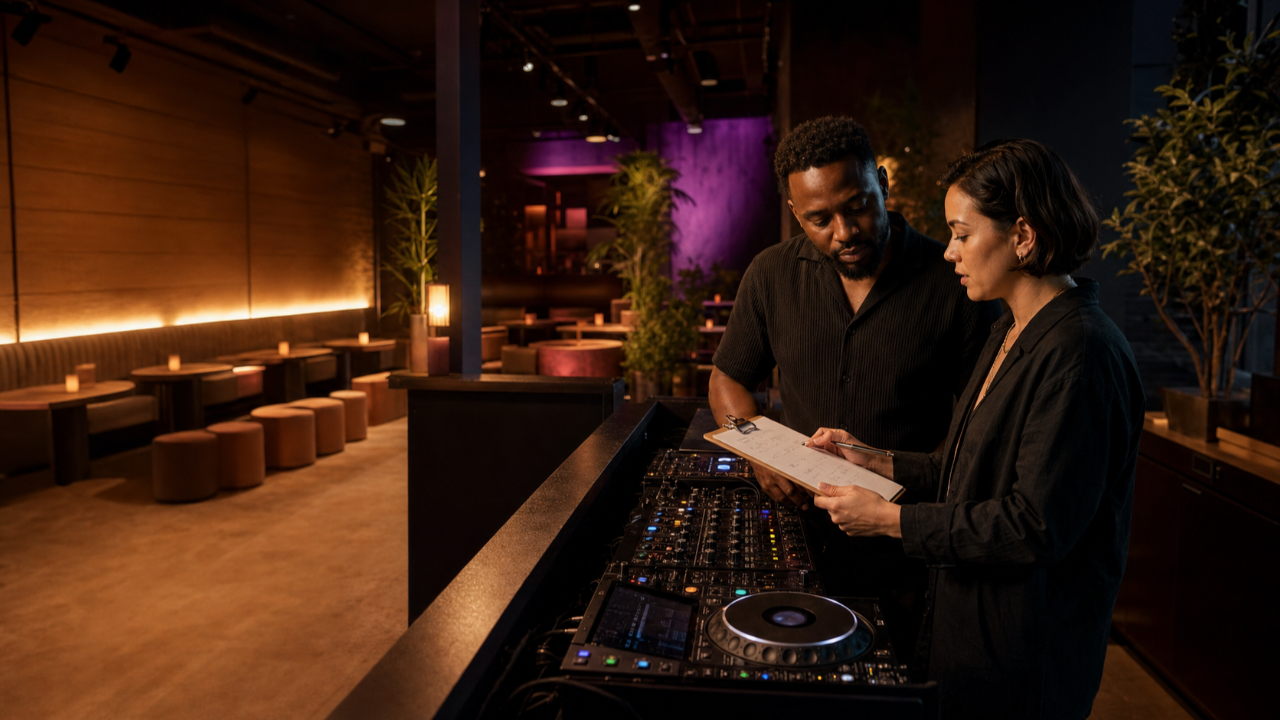
Stop Booking Random Talent: Build a Music Policy for the Room
Music is one of the fastest ways to build a room, and one of the fastest ways to confuse it.
Everybody in nightlife knows the feeling. The flyer looks right. The venue is ready. The promoter did the outreach. The staff is expecting a certain type of night. Guests walk in with one idea in their head, and then the music tells them something completely different. The DJ may be talented. The room may have potential. The issue is not always ability. Sometimes the issue is alignment.
Nightlife is not dying. It is evolving. In this new era, venues and promoters cannot treat music like a last-minute slot to fill. Music is part of the brand promise. It shapes arrival, energy, identity, spend, retention, content, and whether guests trust the room enough to return.
A DJ booking is not just a name on a flyer
A DJ booking is a business decision. It affects who feels invited, who stays, who dances, who buys another round, who films t...
The Nightly Numbers That Actually Matter in Nightlife

The Nightly Numbers That Actually Matter in Nightlife
A lot of nightlife teams look at the same few numbers after an event: how many people came, how much money came in, how many tables sold, and whether the room looked full enough for the recap. Those numbers matter, but they do not always tell the full truth.
I have seen nights that looked packed but were financially weak. I have seen rooms that were not wall-to-wall but had the right people, strong spend, great energy, and real momentum for the next event. I have seen promoters celebrate headcount while the venue quietly lost money, and I have seen venues blame promotion when the real problem was staffing, service, music timing, or a door experience that made good guests feel unwanted.
Nightlife is not dying. It is evolving. That means we have to get better at reading the business behind the room. The future belongs to promoters, DJs, managers, and hospitality operators who can look beyond the flyer and understand what the night ...
Build for the Regulars: Why Repeat Guests Are the Real Flex in Nightlife
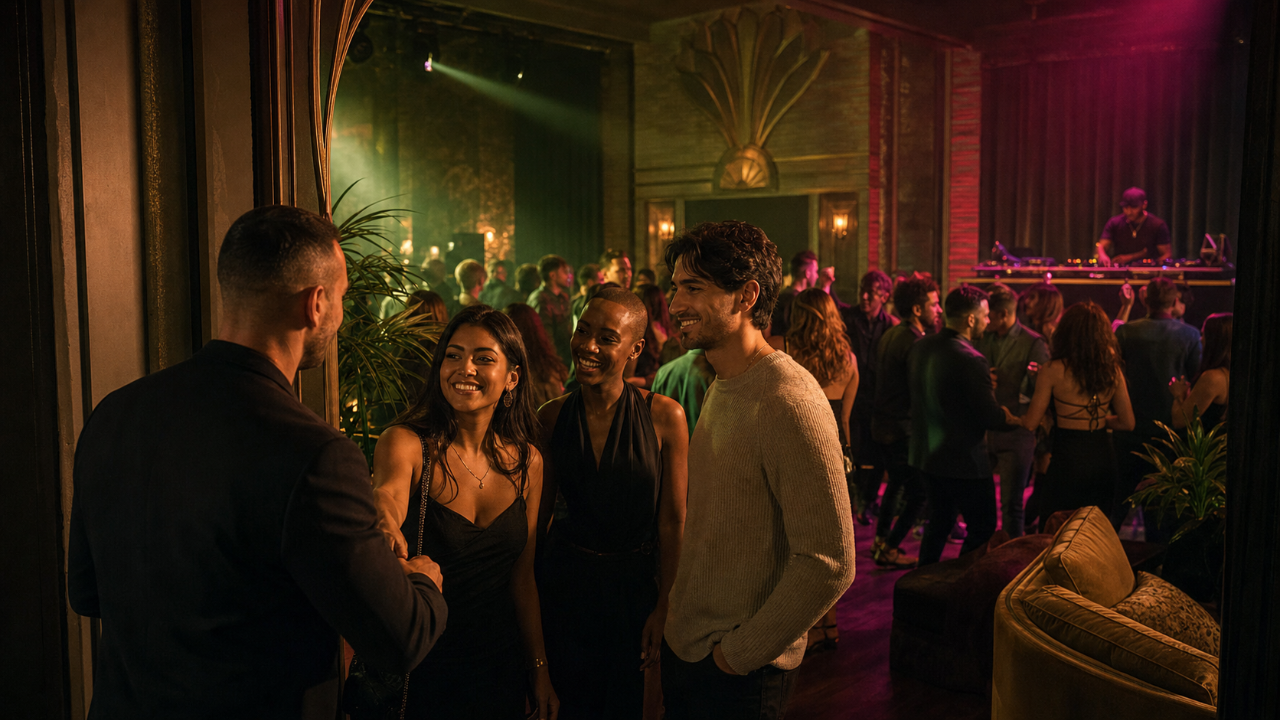
<p>A packed room, a line outside, and a strong recap video all look good. Nightlife is visual, and nobody wants to promote an empty space or play to a floor that never catches. But a room full of strangers for one night is not the same thing as a business. The real flex is building a room that gives the right people a reason to return.</p>
<p>That does not mean new guests are unimportant or that a room should become predictable. It means regulars create the foundation that lets a night grow without starting from zero every week. Nightlife is not dying; it is evolving. The strongest brands will be the ones that make people feel recognized, connected, and part of something worth revisiting.</p>
<h2>Attention is loud. Loyalty is quieter.</h2>
<p>Attention is easy to see: the viral clip, the celebrity walk-in, the flyer getting shared, the table moment. Loyalty is quieter. It is the guest who returns every other Friday, the couple who brings friends next time, the DJ who tells people your roo...
The Post-Event Debrief: How Smart Nightlife Teams Get Better Every Week
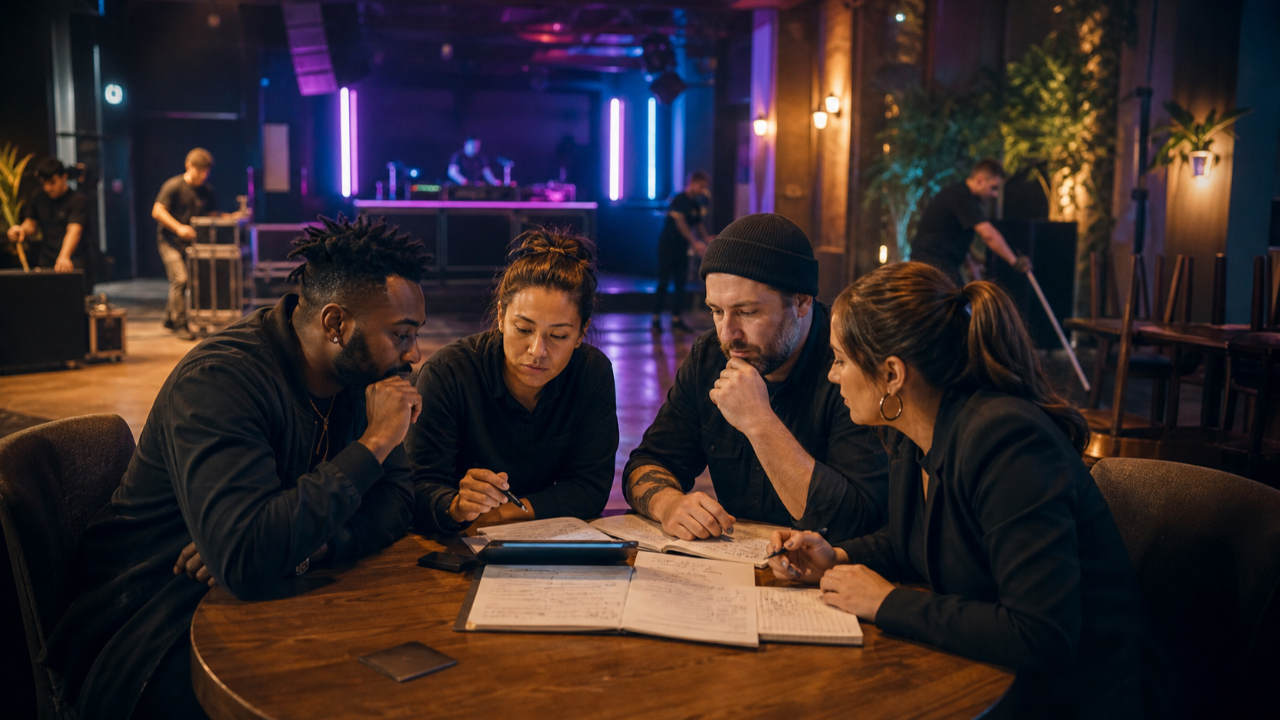
<p>Before an event, every nightlife team has a conversation about the flyer, the DJ, the guest list, the tables, the staffing, and the moment the room should begin to move. That preparation matters. But when the lights come on, the promoter checks attendance, the DJ packs up, the manager closes tabs, and everyone is ready to go home. Too often, that is where the conversation ends.</p>
<p>By Monday, the next event is already being planned as if the last one did not just hand the team a full set of lessons. That is costly, because every room tells you something: who arrived early, which host brought the right people, what shifted the energy on the floor, where entry slowed down, what content guests actually shared, and whether the experience felt natural or forced. Nightlife is not dying; it is evolving. The teams that win in this era will not simply throw more events. They will learn faster from every event they throw.</p>
<h2>The night is not over when the room closes</h2>
<p>The end of t...
Stay connected with news and updates!
Categories
All Categories
Have you read it?
Julio talks about his journey from being an immigrant at an early age and not being the most popular, not too confident and not having a clue about this Industry all the way to becoming the expert he is today. If this book doesn't motivate you to dive into the industry head first we don't know what will.
Nightlife Isn’t Dying. It’s Evolving.
A survival guide for the new hospitality industry. Julio Mario Zambrano explores how culture, community, changing consumer habits, and smarter operations are reshaping nightlife.
