
Nightlife Entrepreneurs
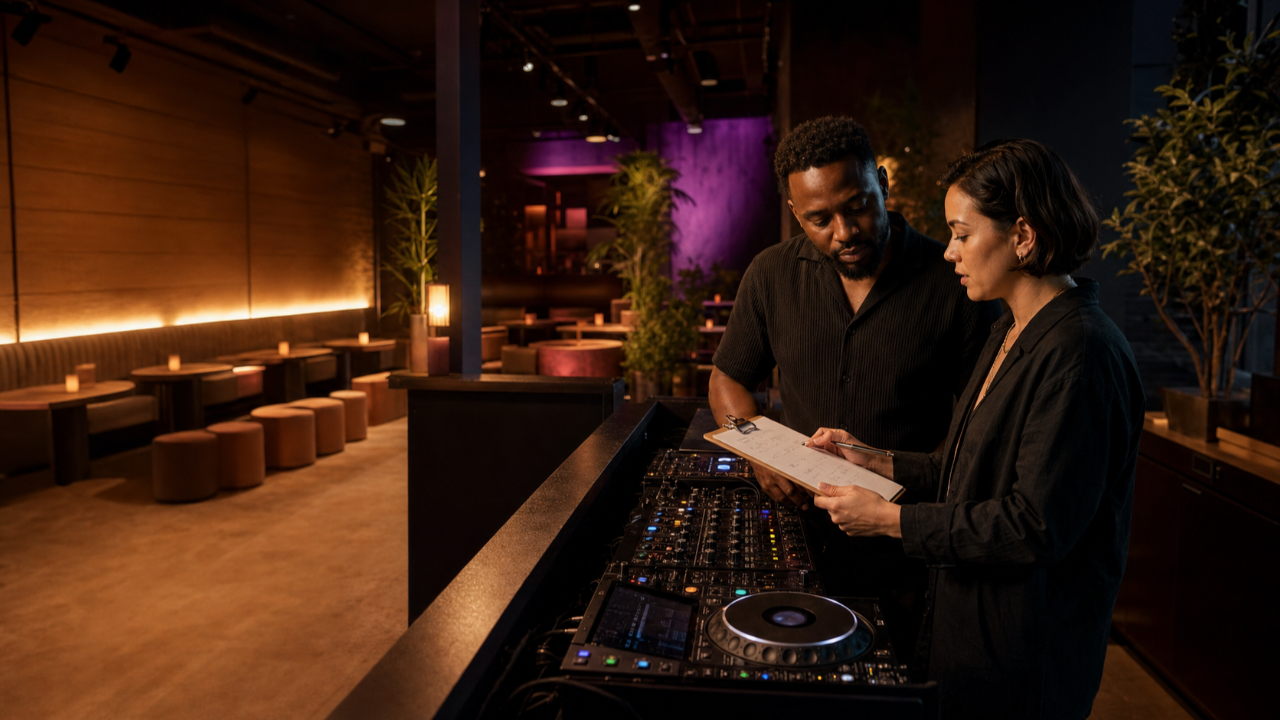
Stop Booking Random Talent: Build a Music Policy for the Room
Stop Booking Random Talent: Build a Music Policy for the Room
Music is one of the fastest ways to build a room, and one of the fastest ways to confuse it.
Everybody in nightlife knows the feeling. The flyer looks right. The venue is ready. The promoter did the outreach. The staff is expecting a certain type of night. Guests walk in with one idea in their head, and then the music tells them something completely different. The DJ may be talented. The room may have potential. The issue is not always ability. Sometimes the issue is alignment.
Nightlife is not dying. It is evolving. In this new era, venues and promoters cannot treat music like a last-minute slot to fill. Music is part of the brand promise. It shapes arrival, energy, identity, spend, retention, content, and whether guests trust the room enough to return.
A DJ booking is not just a name on a flyer
A DJ booking is a business decision. It affects who feels invited, who stays, who dances, who buys another round, who films t...
The Nightly Numbers That Actually Matter in Nightlife
The Nightly Numbers That Actually Matter in Nightlife
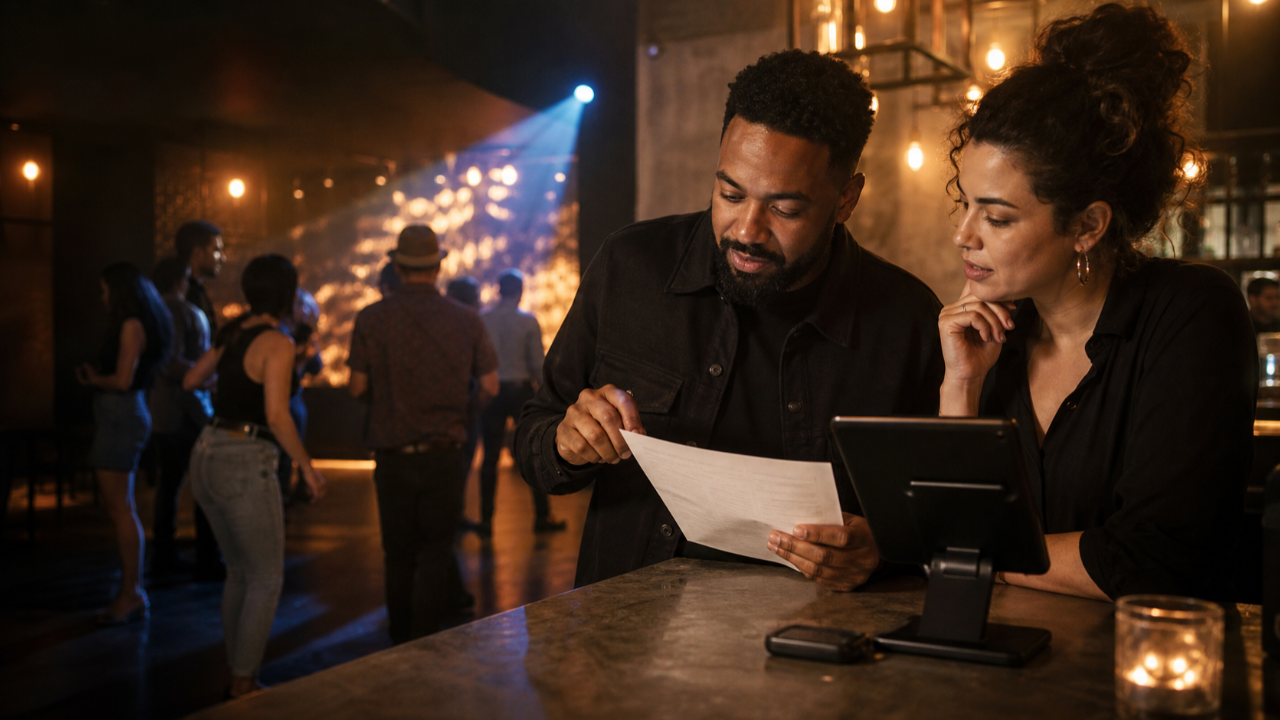
A lot of nightlife teams look at the same few numbers after an event: how many people came, how much money came in, how many tables sold, and whether the room looked full enough for the recap. Those numbers matter, but they do not always tell the full truth.
I have seen nights that looked packed but were financially weak. I have seen rooms that were not wall-to-wall but had the right people, strong spend, great energy, and real momentum for the next event. I have seen promoters celebrate headcount while the venue quietly lost money, and I have seen venues blame promotion when the real problem was staffing, service, music timing, or a door experience that made good guests feel unwanted.
Nightlife is not dying. It is evolving. That means we have to get better at reading the business behind the room. The future belongs to promoters, DJs, managers, and hospitality operators who can look beyond the flyer and understand what the night ...
The Early Evening Social: A Growth Lane for Venues, DJs, and Modern Hospitality
The Early Evening Social: A Growth Lane for Venues, DJs, and Modern Hospitality
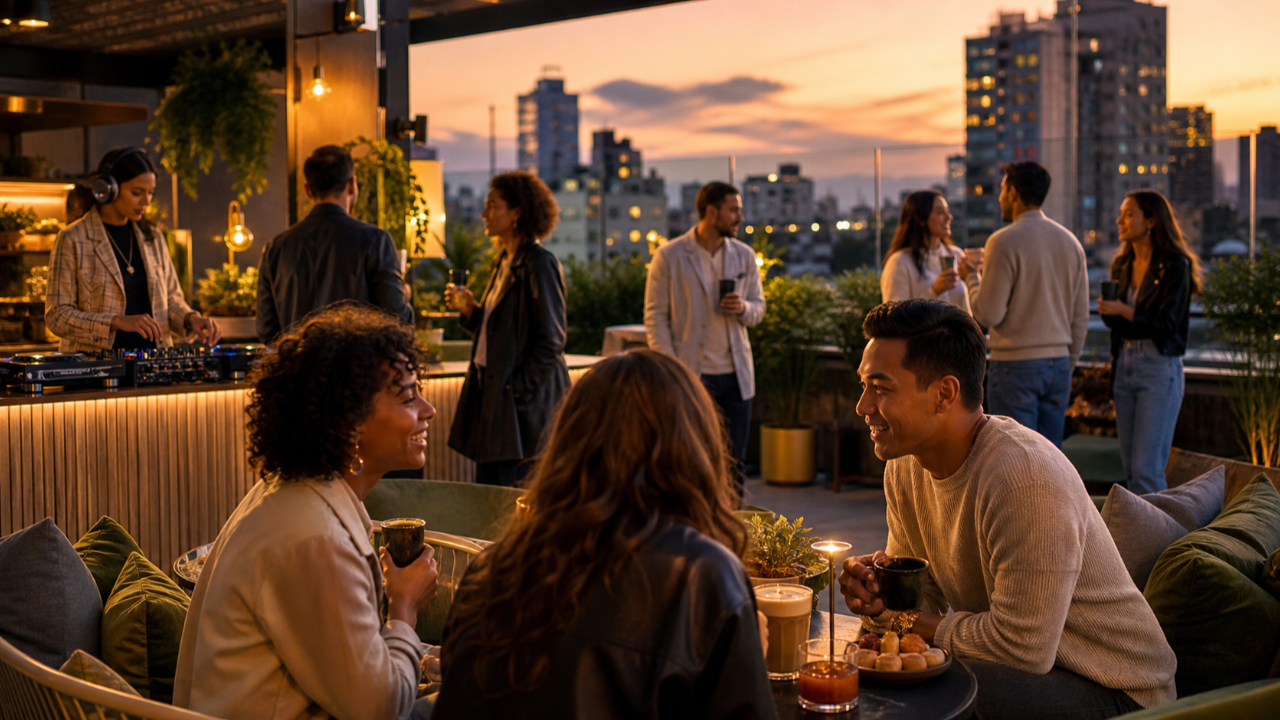
Not every valuable social experience has to start at midnight. I know nightlife people do not always want to hear that. We love the late-night energy. We love the moment when the room is full, the DJ is locked in, the lights are right, and everybody can feel the night turning into a memory. That will always matter.
But the industry is changing. People still want to go out. They still want music, connection, celebration, flirtation, networking, discovery, and that feeling of being part of something. They just do not always want the same format. They do not always want to wait until 12:30 AM for the room to start, and they do not always want the night to revolve around bottles or a full late-night mission.
That is why the early evening social is becoming one of the most interesting lanes in modern hospitality. If you are a venue, DJ, promoter, restaurant, lounge, coffee concept, wellness brand, hotel, roof...
Instagram Is Not Your Community: How Nightlife Brands Build an Owned Audience
Instagram Is Not Your Community: How Nightlife Brands Build an Owned Audience
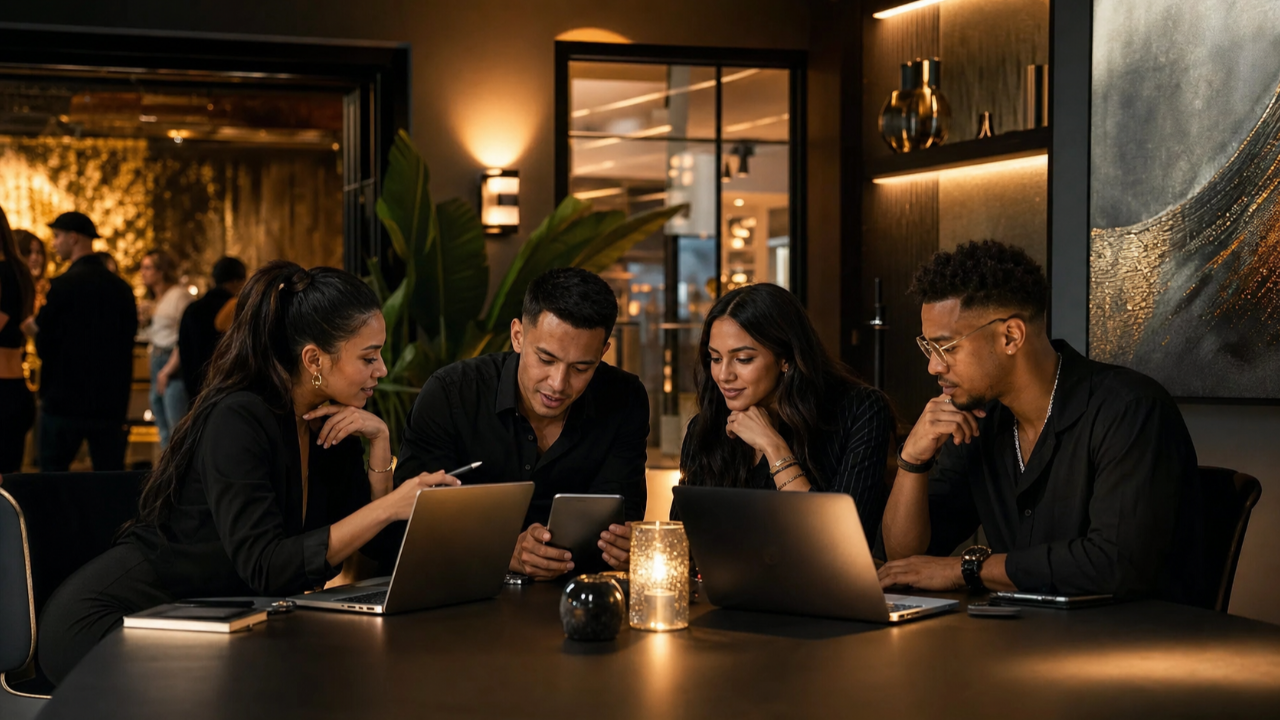
Let me say something that might make a few promoters, DJs, and venue teams uncomfortable: Instagram is not your community. It is a platform, a stage, and a discovery tool. It is a place where people can see the energy, watch the recap, share the flyer, tag the DJ, and decide if your room looks like something they want to be part of. All of that matters, but it is not the same as community.
Community is not just people liking the post. Community is people remembering the night, trusting the brand, inviting their friends, replying when you reach out, showing up again, and feeling like there is a relationship beyond one flyer. That is where a lot of nightlife brands are getting exposed right now. They have attention, but they do not have ownership. They have followers, but they do not have a real audience. They have views, but they do not have a system for turning the right people into repeat guests, members, ...
Alcohol-Optional Events Need a Real Offer, Not Just a Mocktail Menu
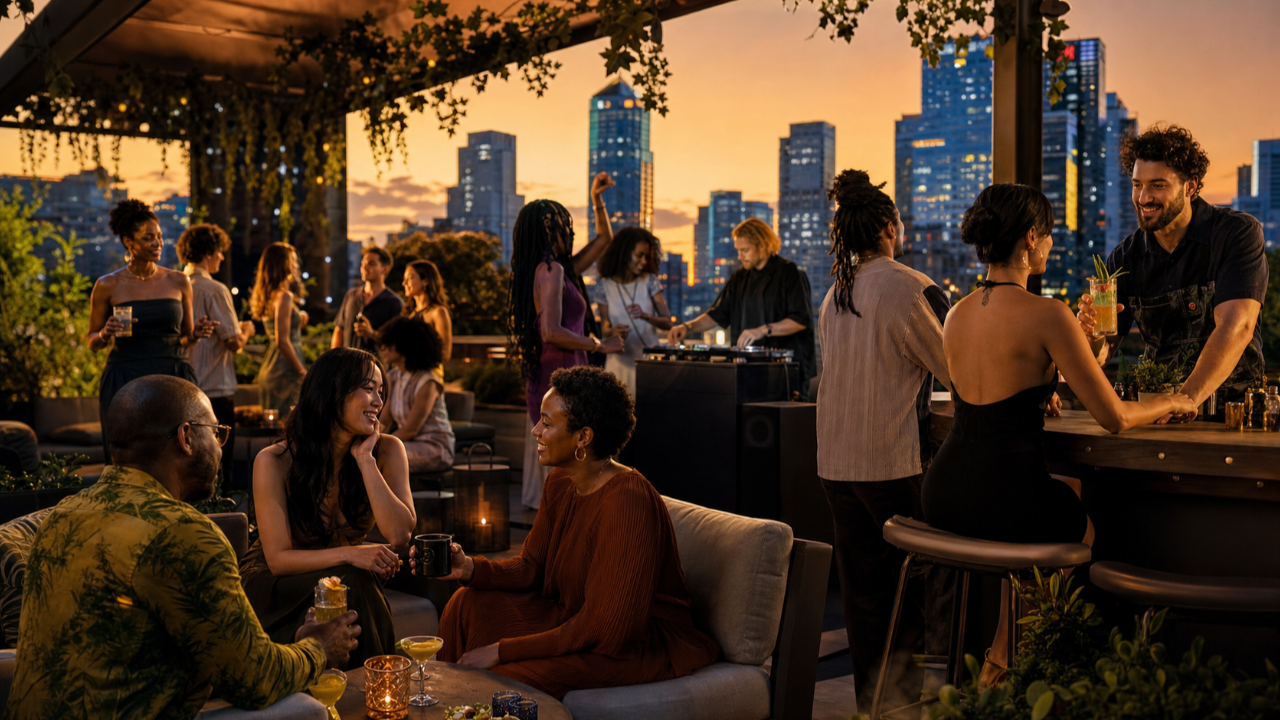
Alcohol-Optional Events Need a Real Offer, Not Just a Mocktail Menu
One of the biggest mistakes people make with sober-curious or alcohol-optional nightlife is thinking the entire strategy is the drink menu.
Add a few mocktails.
Put "zero proof" on the flyer.
Maybe mention wellness.
Then hope a new audience shows up.
That is not a strategy.
That is a menu adjustment.
Do not misunderstand me. The beverage program matters. A thoughtful non-alcoholic menu can absolutely improve the guest experience. It can help people feel included. It can create new revenue. It can show that the venue is paying attention to where culture is going.
But an alcohol-optional event cannot be built only around what people are not drinking.
It has to be built around what they are coming for.
Connection.
Music.
Community.
Energy.
Taste.
Identity.
Discovery.
A reason to leave the house.
That is the real offer.
Nightlife isn't dying. It's evolving. And one of the clearest signs of that evolutio...
Your Staff Is the Brand Before the Guest Ever Posts a Story
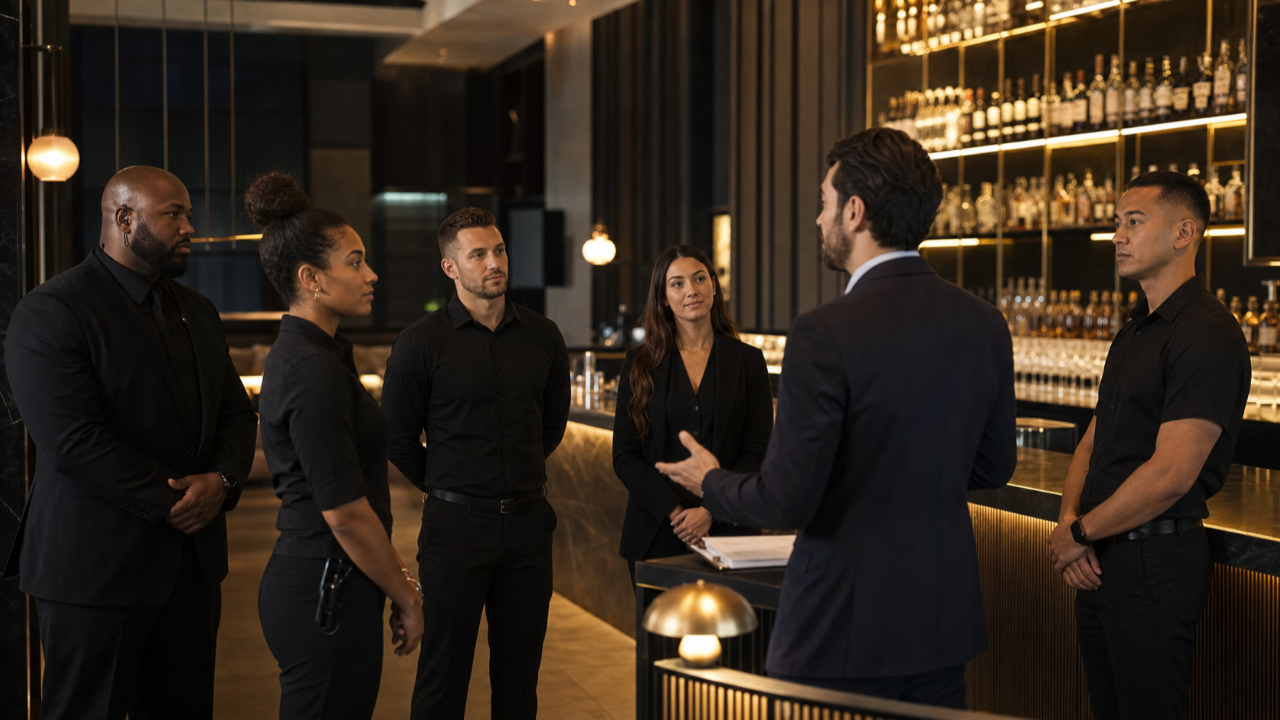
Your Staff Is the Brand Before the Guest Ever Posts a Story
Everybody talks about marketing.
The flyer. The reel. The DJ announcement. The host list. The bottle presentation. The influencer who might show up. The paid ad. The story repost.
All of that matters.
But before the guest ever posts a story, before they tag the venue, before they decide if they are coming back next week, they already felt the brand.
They felt it at the door.
They felt it from security.
They felt it from the host.
They felt it from the bartender.
They felt it from the server who was either locked in or checked out.
They felt it from the manager who either noticed the problem early or waited until the guest was already upset.
This is one of the biggest blind spots in nightlife and hospitality: we spend a lot of energy trying to get people into the room, but sometimes we do not train the room to receive them.
Nightlife is not just what you advertise.
Nightlife is what people experience once they arri...
How to Build Brand Collaborations That Fill the Room Without Making the Night Feel Random
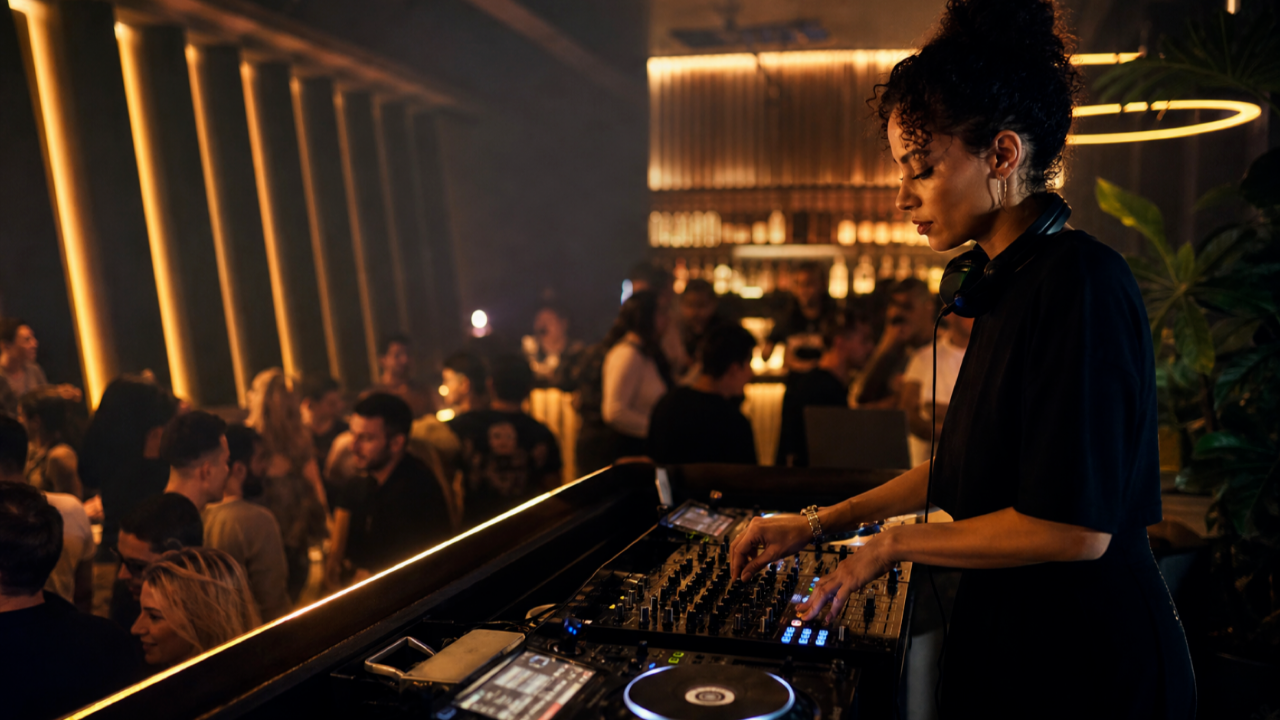
# How to Build Brand Collaborations That Fill the Room Without Making the Night Feel Random
Everybody wants to collaborate until it is time to protect the room.
I have seen it too many times.
A promoter adds five hosts who do not match the concept.
A venue brings in a brand that only cares about logo placement.
A DJ invites a crew that changes the whole energy of the night.
An event creator partners with a business because it sounds good on a flyer, but nobody asks if the audiences actually fit.
Then the night happens, and it feels confused.
Not terrible.
Just confused.
And confused is not what builds a community.
Nightlife isn't dying. It's evolving. And in this new era, collaborations are going to matter more than ever. Promoters, DJs, venues, restaurants, lounges, coffee brands, wellness brands, fashion brands, creators, community groups, and hospitality operators all need each other.
But collaboration only works when it makes the night stronger.
Not when it turns the e...
The First Five Minutes: How the Door, Greeting, and Entry Experience Decide the Night
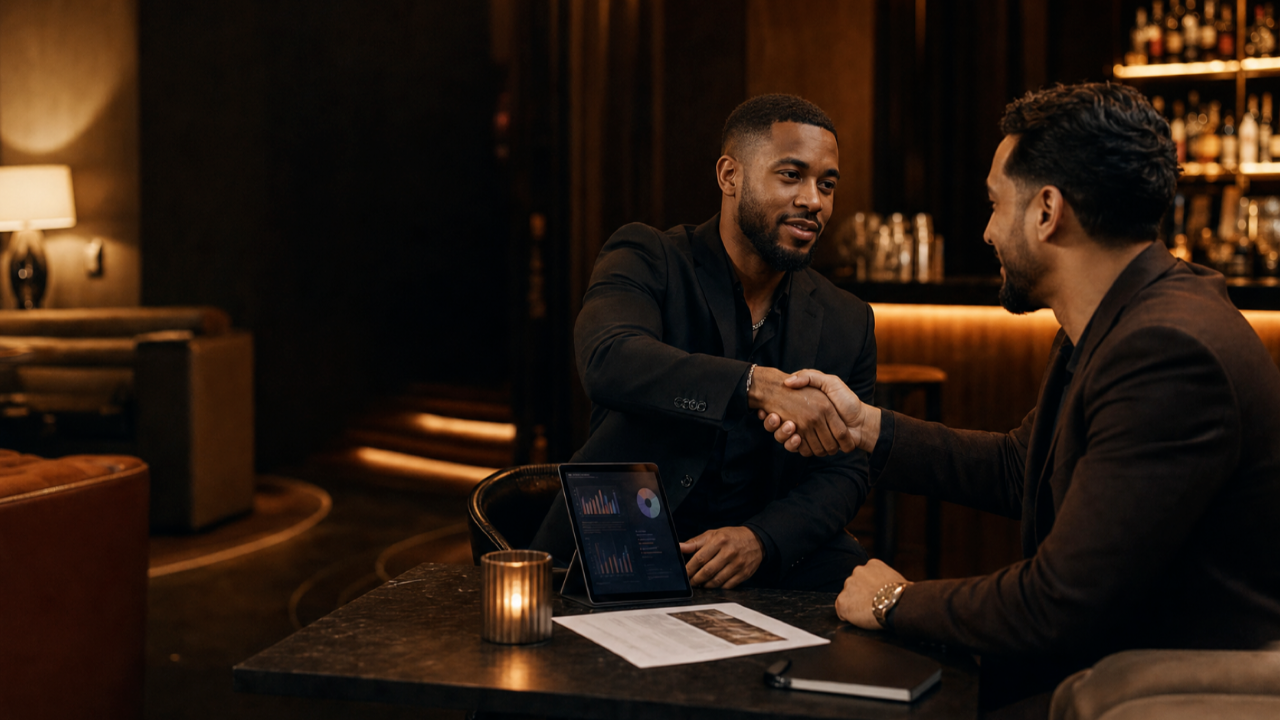
# The First Five Minutes: How the Door, Greeting, and Entry Experience Decide the Night
A lot of people think the night starts when the DJ drops the right record.
It does not.
The night starts before the guest even gets inside.
It starts when they pull up to the venue. When they see the line. When they look at the door. When they try to figure out where to stand, who to talk to, whether their name is on the list, whether the energy feels organized, and whether they are being welcomed or judged.
That first five minutes can raise the value of the whole night.
Or it can quietly damage everything you worked all week to build.
Nightlife isn't dying. It's evolving. And one of the biggest signs of that evolution is this: people are less patient with messy experiences. They have more options now. Dinner parties, daylife, lounges, concerts, coffee socials, private events, wellness events, members clubs, rooftops, pop-ups, and traditional nightclubs are all competing for attention.
So wh...
How Nightlife and Hospitality Brands Can Use the World Cup Without Just Throwing Another Watch Party
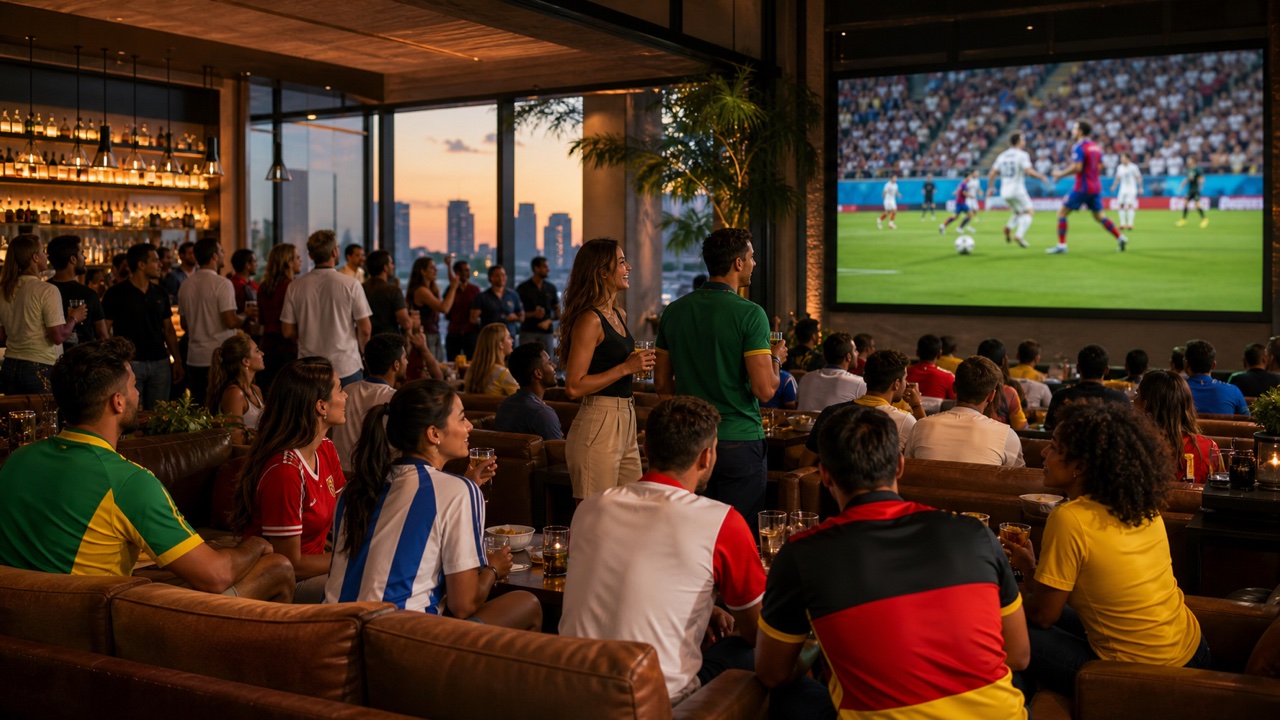
# How Nightlife and Hospitality Brands Can Use the World Cup Without Just Throwing Another Watch Party
The World Cup is here, and if you are in nightlife or hospitality, you should be paying attention.
Not just because soccer is popular.
Not just because bars will have games on.
Not just because people are looking for somewhere to watch.
You should be paying attention because moments like this show you what the future of nightlife and hospitality really is:
Culture.
Community.
Timing.
Experience.
And the ability to turn attention into something people want to gather around.
The 2026 tournament runs from June 11 to July 19 across Canada, Mexico, and the United States. It is the first edition with 48 teams and 104 matches, which means there are weeks of opportunities for venues, promoters, DJs, restaurants, lounges, hotels, daylife operators, coffee concepts, and community builders.
But here is the mistake:
Most people will treat it like a TV schedule.
Smart operators will ...
Your Weekly Event Needs an Operating System, Not Just a Flyer
One of the biggest mistakes I see in nightlife is this:
People think the flyer is the plan.
They make the graphic, post it on Instagram, text a few people, hope the DJ shares it, and then act surprised when the room does not build the way they imagined.
The flyer is not the plan.
The flyer is one asset inside the plan.
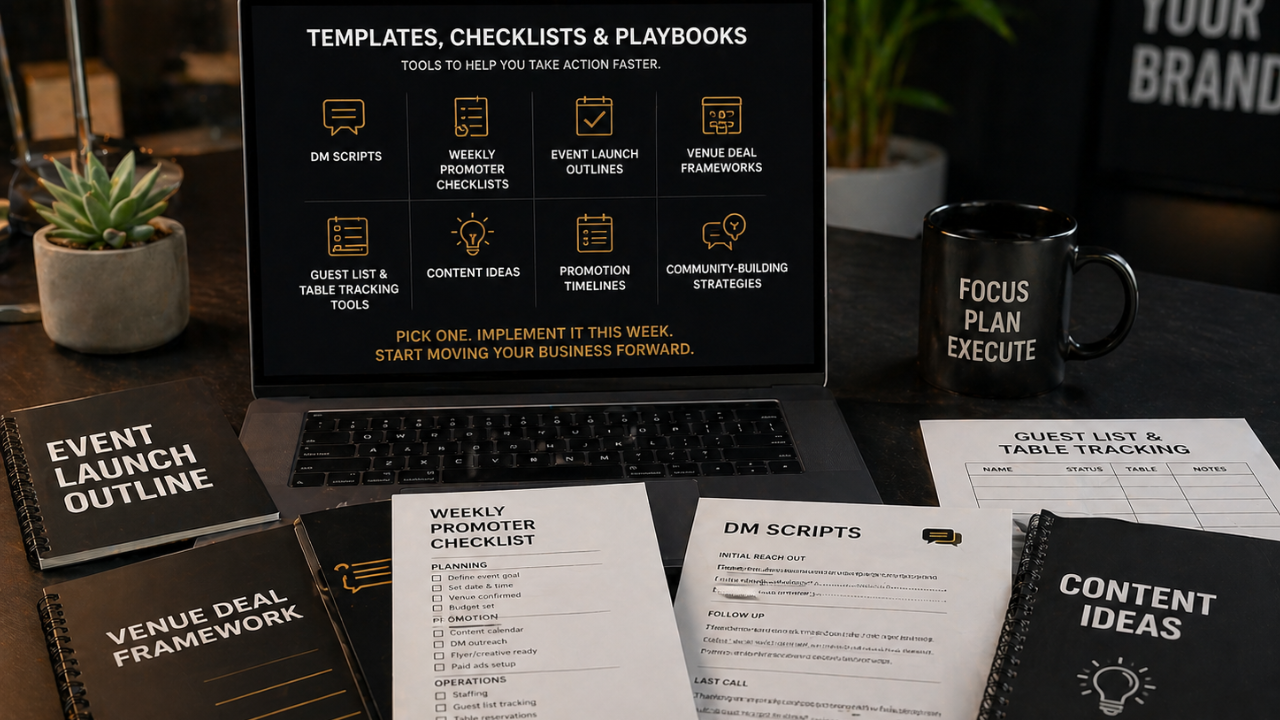
If you want a weekly event to grow, you need an operating system.
Not something complicated. Not a corporate binder nobody reads. I am talking about a simple weekly rhythm that keeps the promoter, DJ, venue, staff, content, guest list, table sales, and follow-up moving in the same direction.
That is what separates a random party from a real nightlife property.
A weekly event is a machine
Every weekly event has moving parts:
- The concept
- The audience
- The venue
- The music
- The hosts
- The door
- The guest list
- The tables
- The content
- The staff
- The recap
- The follow-up
If those parts are not connected, the night feels random.
And random is expensive.
Rand...
Stay connected with news and updates!
Categories
All Categories
Have you read it?
Julio talks about his journey from being an immigrant at an early age and not being the most popular, not too confident and not having a clue about this Industry all the way to becoming the expert he is today. If this book doesn't motivate you to dive into the industry head first we don't know what will.
