
The Hospitality Handoff: Where Good Nights Get Lost Between Teams
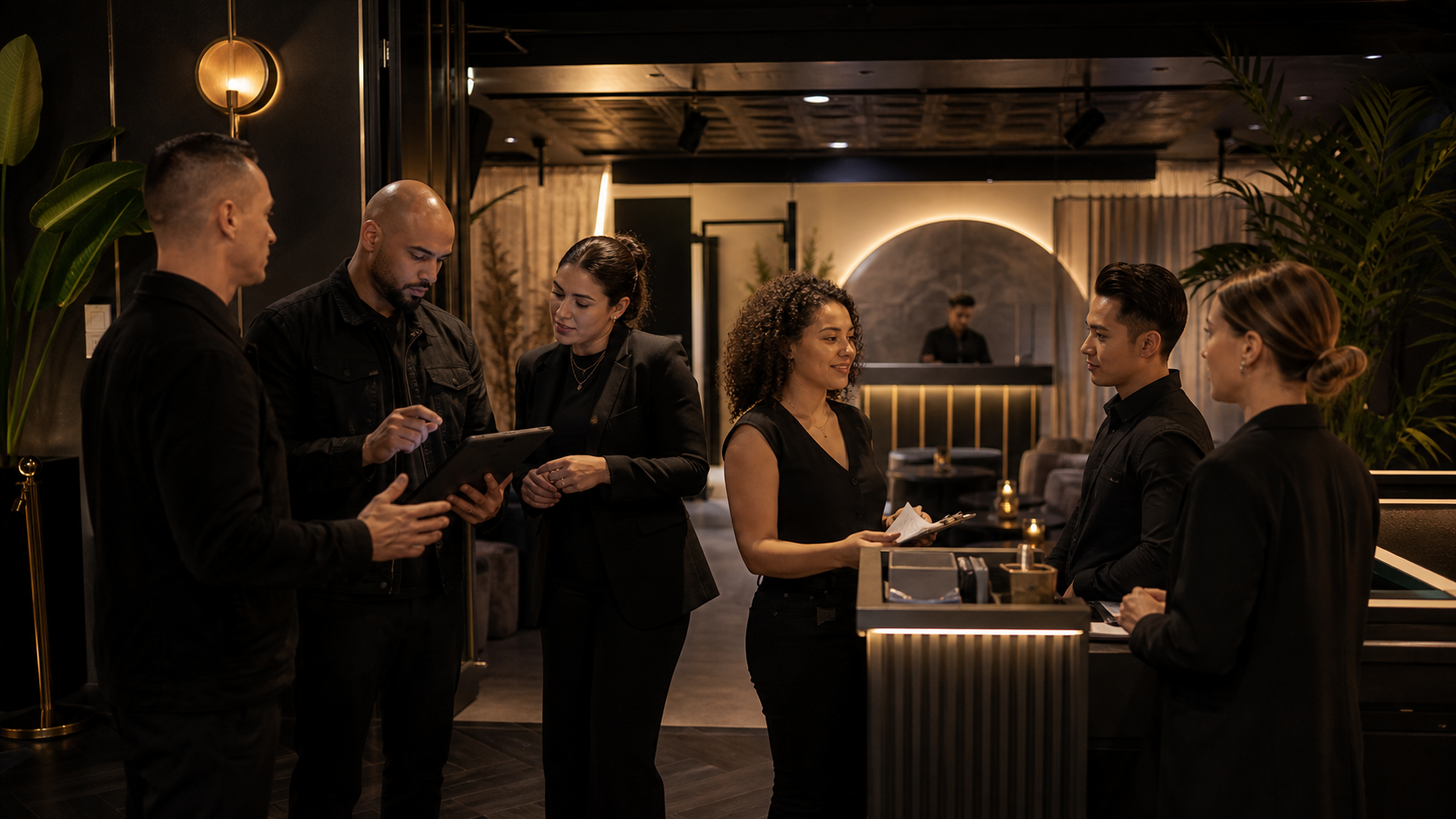
The Hospitality Handoff: Where Good Nights Get Lost Between Teams
A nightlife event can be promoted well and still feel messy. I have seen nights where the flyer was strong, the DJ was talented, the venue looked good, the guest list was real, and the room even had the right people in it, but the experience still did not feel connected. The promoter promised one thing, the door was working from another understanding, the host was missing a name, the server never got the note, the manager was solving problems after they were already visible, and the DJ was trying to read a room without knowing what the night was supposed to become. Then everybody looked around afterward and said, "It was a good night, but something felt off." Many times, what felt off was the handoff.
Nightlife is not dying. It is evolving. That means we have to stop thinking of events as separate departments doing their own jobs. A real hospitality experience is connected. The guest should feel like the room knows what it is doing from the first invitation to the final follow-up.
Promotion creates the first handoff
The first handoff does not happen at the door. It happens when the promoter, DJ, venue, or brand invites the guest.
Whatever you say in the promotion becomes a promise the operation has to carry. If the flyer says the night is premium, the door cannot feel careless. If the DM says the guest is confirmed, the list cannot be missing. If the table conversation says arrival will be smooth, the host cannot act surprised. If the event is positioned as community-first, the room cannot treat people like random transactions.
This is why promotion and operations have to talk to each other. The promoter is not only creating demand. The promoter is creating expectation. If the venue does not know what was promised, the guest feels the gap.
That gap is expensive.
The door is not just security
The door is one of the most important hospitality positions in nightlife.
Yes, the door has to protect safety, capacity, rules, age requirements, guest flow, and the venue's standards. That matters. But the door also sets the emotional tone of the night. A guest may have seen beautiful content, invited friends, paid for a ticket, dressed up, parked, waited, and arrived excited. One confusing or cold interaction can change the whole night before they even step inside.
The door team needs information, not just authority. They need the guest-list structure, table names, expected arrivals, VIP notes, partner groups, event concept, timing, and escalation path. They need to know who to call before a small issue becomes a public moment.
Professional door work is not about being soft. It is about being clear, consistent, and aligned with the experience the room promised.
Hosts need context, not only names
A host with a list is useful.
A host with context is powerful.
There is a difference between knowing that "Maria has a table" and knowing that Maria is celebrating a birthday, arrived through a promoter relationship, brought six first-time guests, asked about dinner earlier, and may become a repeat customer if the night is handled well.
That does not mean every detail has to become complicated. It means the team should know which details matter. Celebrations, first-time guests, regulars, industry relationships, brand partners, sober-curious guests, accessibility needs, table preferences, arrival windows, and service expectations can all change the way a host handles the moment.
When the host has context, the guest feels recognized instead of processed.
Servers and bartenders carry the brand in real time
Marketing may bring someone in, but service often decides if they come back.
A server who understands the event can help protect the night. A bartender who knows the crowd and pacing can help the room feel smoother. A barback who keeps the service moving affects the guest experience more than most people realize. These roles are not separate from the brand. They are the brand while the guest is actually there.
If the event is supposed to feel welcoming, but the bar is confused, the guest feels confusion. If the table is supposed to feel premium, but the service team was not briefed, the guest feels the disconnect. If a promoter brings valuable guests and nobody on the floor knows they matter, the relationship can be weakened in one night.
This is why the team has to share the room promise before doors open. Not a long meeting. Not a speech. Just enough clarity for the staff to understand what kind of experience they are helping deliver.
The DJ is part of the handoff too
Music is not outside hospitality. Music is hospitality.
The DJ receives the room from the door, the host, the bar, the promoter, and the early guests. If the previous handoffs created friction, the DJ may feel that tension on the floor. If the early guests arrived confused, the music has to work harder. If the room was promised one thing and the sound communicates another, the guest feels the night split in half.
Give the DJ the same context you give the rest of the team. What kind of crowd is expected? What was promised in the promotion? Is the goal early arrival, dinner-to-lounge flow, dancing, networking, a community night, a brand collaboration, a sober-curious social, or a high-energy late-night room? What should the first hour feel like? When should the room lift?
Great DJs can read energy, but better context helps them protect the entire experience.
Managers have to see the whole chain
A manager cannot only manage the problem that is yelling the loudest.
The best managers learn to watch the chain. How did the guest find out about the night? What did they expect? What happened when they arrived? Did the list work? Did the door explain clearly? Did the host place them correctly? Did the server greet them quickly? Did the music match the moment? Did the guest have a reason to stay, spend, connect, post, and return?
That is the real operating view.
If the manager only looks at sales at the end of the night, they may miss where trust was built or lost. If they only blame promotion, they may miss a service issue. If they only blame service, they may miss that the wrong promise was made in the first place.
Nightlife entrepreneurs have to diagnose the whole experience, not just the part they personally control.
Follow-up is the final handoff
The night does not end when the lights come on.
The final handoff is what happens after the guest leaves. Did somebody thank them? Did the promoter check in? Did the venue capture useful feedback? Did the table guest get invited back in a way that felt personal? Did the content reflect the night honestly? Did the team note who should be contacted again, who had an issue, who brought value, and who may be ready for the next step?
This is where community starts.
If you treat every guest like a one-night transaction, you will keep needing more promotion to replace the relationships you are failing to keep. But if you close the loop, the night becomes the beginning of a stronger connection.
That is how a guest becomes a regular. That is how a regular becomes a host. That is how a host becomes a partner. That is how a room becomes a community.
Build a handoff sheet
You do not need a complicated system to improve this.
Start with a simple handoff sheet. Include the event promise, expected audience, important guest names, promoter notes, table notes, door instructions, host notes, service expectations, DJ context, escalation contact, content priorities, and follow-up plan.
Keep it short. Keep it useful. Share it before the night. Review it after the night.
The point is not paperwork. The point is alignment. Everyone should know what the guest was promised and what role they play in delivering it.
The guest should feel one team
Guests do not care about your internal departments.
They do not care that the promoter handles one thing, the door handles another, the venue handles another, the DJ handles another, and the manager is busy with something else. They experience the night as one brand.
If the handoffs are broken, the brand feels broken.
If the handoffs are smooth, the guest feels taken care of.
That is the standard.
The future of nightlife and hospitality will belong to teams that can create energy and protect trust at the same time. Promotion matters. Music matters. Design matters. Revenue matters. But hospitality is the thread that ties the night together.
Build the handoff. Protect the guest. Train the team to move like one room, not five separate departments.
That is how good nights become stronger businesses.
Stay connected with news and updates!
Categories
All Categories
Have you read it?
Julio talks about his journey from being an immigrant at an early age and not being the most popular, not too confident and not having a clue about this Industry all the way to becoming the expert he is today. If this book doesn't motivate you to dive into the industry head first we don't know what will.

Nightlife Isn’t Dying. It’s Evolving.
A survival guide for the new hospitality industry. Julio Mario Zambrano explores how culture, community, changing consumer habits, and smarter operations are reshaping nightlife.
