
Your Staff Is the Brand Before the Guest Ever Posts a Story
Your Staff Is the Brand Before the Guest Ever Posts a Story
Everybody talks about marketing.
The flyer. The reel. The DJ announcement. The host list. The bottle presentation. The influencer who might show up. The paid ad. The story repost.
All of that matters.
But before the guest ever posts a story, before they tag the venue, before they decide if they are coming back next week, they already felt the brand.
They felt it at the door.
They felt it from security.
They felt it from the host.
They felt it from the bartender.
They felt it from the server who was either locked in or checked out.
They felt it from the manager who either noticed the problem early or waited until the guest was already upset.
This is one of the biggest blind spots in nightlife and hospitality: we spend a lot of energy trying to get people into the room, but sometimes we do not train the room to receive them.
Nightlife is not just what you advertise.
Nightlife is what people experience once they arrive.
And your staff is the brand before your marketing ever gets credit.
The guest does not separate the people from the place
Owners and promoters sometimes think in departments.
Marketing is marketing.
Security is security.
The bar is the bar.
Bottle service is bottle service.
The DJ is the DJ.
Management is management.
But the guest does not experience the night that way.
The guest experiences one brand.
If the flyer looked premium but the door felt chaotic, that is the brand.
If the DJ was great but the bartender made the guest feel invisible, that is the brand.
If the VIP package sounded special but nobody knew the table was coming, that is the brand.
If the room looked beautiful but the staff seemed annoyed that guests were asking normal questions, that is the brand.
This is why modern hospitality matters so much.
People have more options now. They can go to a club, a dinner party, a day party, a coffee social, a rooftop, a lounge, a private event, a wellness experience, or stay home and still be entertained. So when they choose your room, the experience has to feel intentional.
Not perfect.
Intentional.
There is a difference.
Perfect is impossible.
Intentional means the team knows what kind of night they are building, who they are serving, how they want guests to feel, and what details matter most.
Culture is not a poster in the office
Every venue says they care about guest experience.
Every promoter says they want people to have a good time.
Every manager says hospitality matters.
But culture is not what you say when things are calm.
Culture is what the team does when the line is long, the printer is acting up, the birthday party is early, the DJ needs help, the promoter is asking questions, a guest is confused, and two staff members are already irritated.
That is when the real brand shows up.
If the team has no shared standard, everybody improvises. Sometimes that works because you have good people with instincts. But instincts alone are not a system.
And when the room gets busy, the system always shows.
This is why I believe nightlife entrepreneurs need to think about staff culture the same way they think about promotion. You do not just hope the right people show up. You build a rhythm.
You brief the team.
You set the tone.
You define the guest.
You prepare for the pressure points.
You repeat the standards until they become normal.
That is how a venue becomes more than a room with music.
That is how it becomes a place people trust.
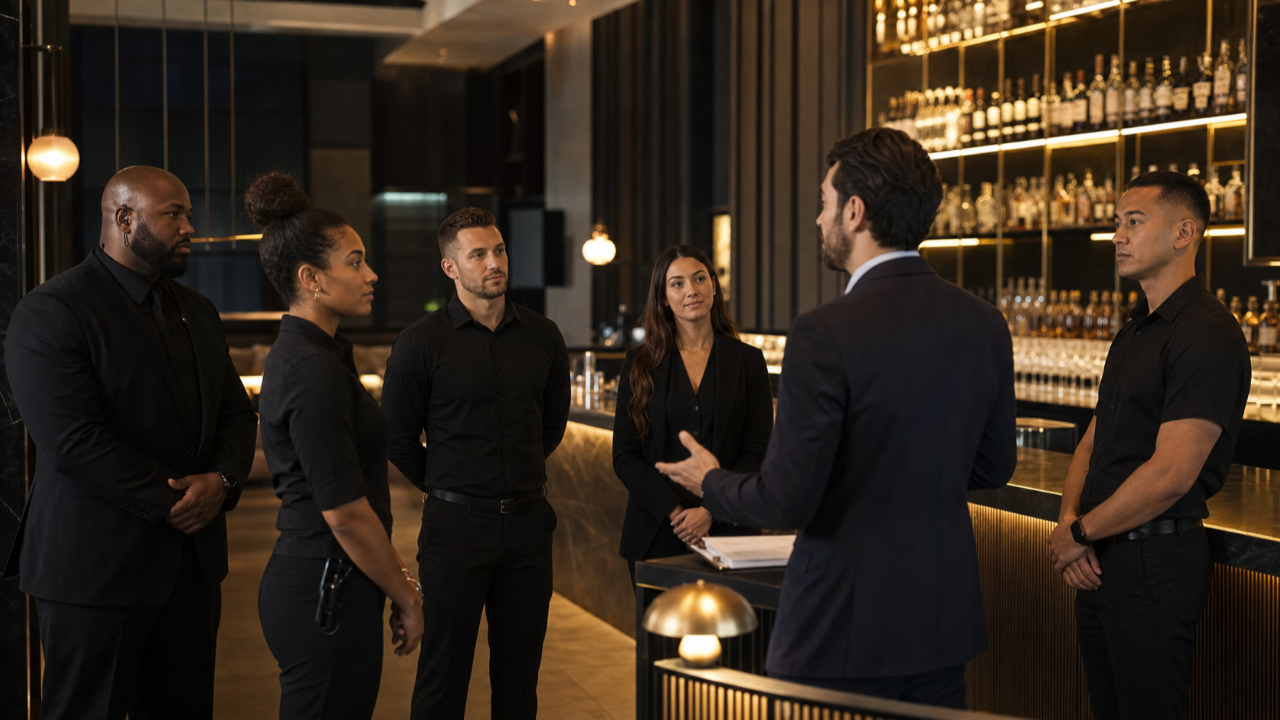
The pre-shift meeting is a marketing tool
Most people think a pre-shift meeting is operational.
It is.
But it is also marketing.
Because everything that happens in that meeting affects what guests will say about the night later.
A strong pre-shift does not need to be long. It needs to be clear.
Who is coming tonight?
What is the promise of the event?
What kind of guest are we expecting?
What tables, birthdays, partners, hosts, or special groups need attention?
Where did we drop the ball last time?
What is the one thing we are improving tonight?
What should the door know?
What should the bar know?
What should the floor team know?
What should the DJ or promoter know?
That conversation changes the night.
It takes people out of "just get through the shift" mode and puts them into "we are building something together" mode.
The best rooms have energy before the doors open.
Not fake hype.
Alignment.
When the team is aligned, guests feel it even if they cannot explain it.
The check-in feels cleaner.
The bar moves faster.
The table knows where to go.
The promoter is not fighting the door.
The manager is not discovering problems after they already became public.
The room feels more professional, and professional does not mean boring. Professional means the experience has a backbone.
The door sets the emotional temperature
The door is one of the most powerful parts of the brand.
Not because it should feel exclusive in an arrogant way.
Because it is the first human checkpoint.
A guest can be excited in the car, excited in the Uber, excited in the group chat, excited walking up to the venue, and then lose half that energy because the door felt confusing, dismissive, or messy.
That does not mean every guest gets whatever they want.
Standards matter.
Safety matters.
Capacity matters.
Dress code matters if that is part of the concept.
But you can hold a standard without making people feel disrespected.
That is the art.
A great door team knows how to be firm, clear, calm, and human. They understand they are protecting the room and representing the brand at the same time.
For promoters, this is also important. If you are bringing people to a venue, you need a relationship with the door and management before the night begins. Do not wait until your guest is outside frustrated to start explaining the plan.
Give the venue your lists cleanly.
Communicate table arrivals.
Respect the rules.
Handle your people.
If there is a problem, solve it like a partner, not like someone performing frustration in public.
The way you behave with staff becomes part of your brand too.
Staff can create repeat business without ever selling
One of the smartest things any venue can do is train the team to recognize moments of loyalty.
A guest comes back two weeks in a row.
A birthday group arrives early and organized.
A regular brings new friends.
A DJ invites their audience and actually helps build the night.
A promoter handles an issue professionally.
A couple celebrates something important.
Those moments are easy to miss when everyone is just trying to survive the shift.
But those are the moments that create repeat business.
Sometimes retention is not a complicated CRM strategy. Sometimes it is a bartender remembering a name. A host checking on a group. A manager thanking the right person. A server noticing that a table needs pacing instead of pressure. A door person treating a regular like they belong without making new guests feel invisible.
That is hospitality.
And hospitality compounds.
People return to places where they feel recognized, respected, and understood.
Not every guest needs a big moment.
But every guest should feel like the room was ready for them.
Owners and managers have to model it first
You cannot demand hospitality from a team that does not receive it from leadership.
If the staff only hears from management when something goes wrong, do not be surprised when the culture becomes defensive.
If the team is never told the bigger vision, do not be surprised when they treat the shift like a transaction.
If departments are allowed to blame each other every week, do not be surprised when the guest feels the disconnect.
Leadership sets the emotional standard.
That does not mean being soft.
It means being clear, consistent, and fair.
The best operators I know correct issues quickly, but they also teach. They do not just say, "Do better." They explain what better looks like.
That is how people grow.
And when people grow inside your venue, your venue grows too.
The new nightlife needs better internal communities
We talk a lot about building guest communities.
That matters.
But the first community is the team.
If the internal community is weak, the external community will eventually feel it.
The future of nightlife and hospitality belongs to people who can build culture on both sides of the rope: the people working the room and the people enjoying it.
Promoters need to understand this.
DJs need to understand this.
Venue owners need to understand this.
Managers need to understand this.
Staff need to understand this.
Because the guest experience is not one person's job anymore. It is everybody's job.
The venue that wins is not always the one with the biggest budget.
Sometimes it is the one with the clearest standard.
The one where the door, bar, floor, DJ, promoter, and manager are playing the same game.
The one where guests feel like the room has intention.
The one where the staff does not just work the event. They help build the brand.
Nightlife isn't dying. It's evolving.
And in this next era, the teams that understand hospitality will beat the teams that only understand hype.
If you want to build real nightlife business, do not only ask, "How do we get more people in?"
Ask this too:
Are we ready to receive them?
That question can change everything.
CTA: Join the Nightlife Entrepreneurs Members Community to learn the business behind the party, from guest experience to team systems, marketing, operations, and modern hospitality.
Stay connected with news and updates!
Categories
All Categories
Have you read it?
Julio talks about his journey from being an immigrant at an early age and not being the most popular, not too confident and not having a clue about this Industry all the way to becoming the expert he is today. If this book doesn't motivate you to dive into the industry head first we don't know what will.
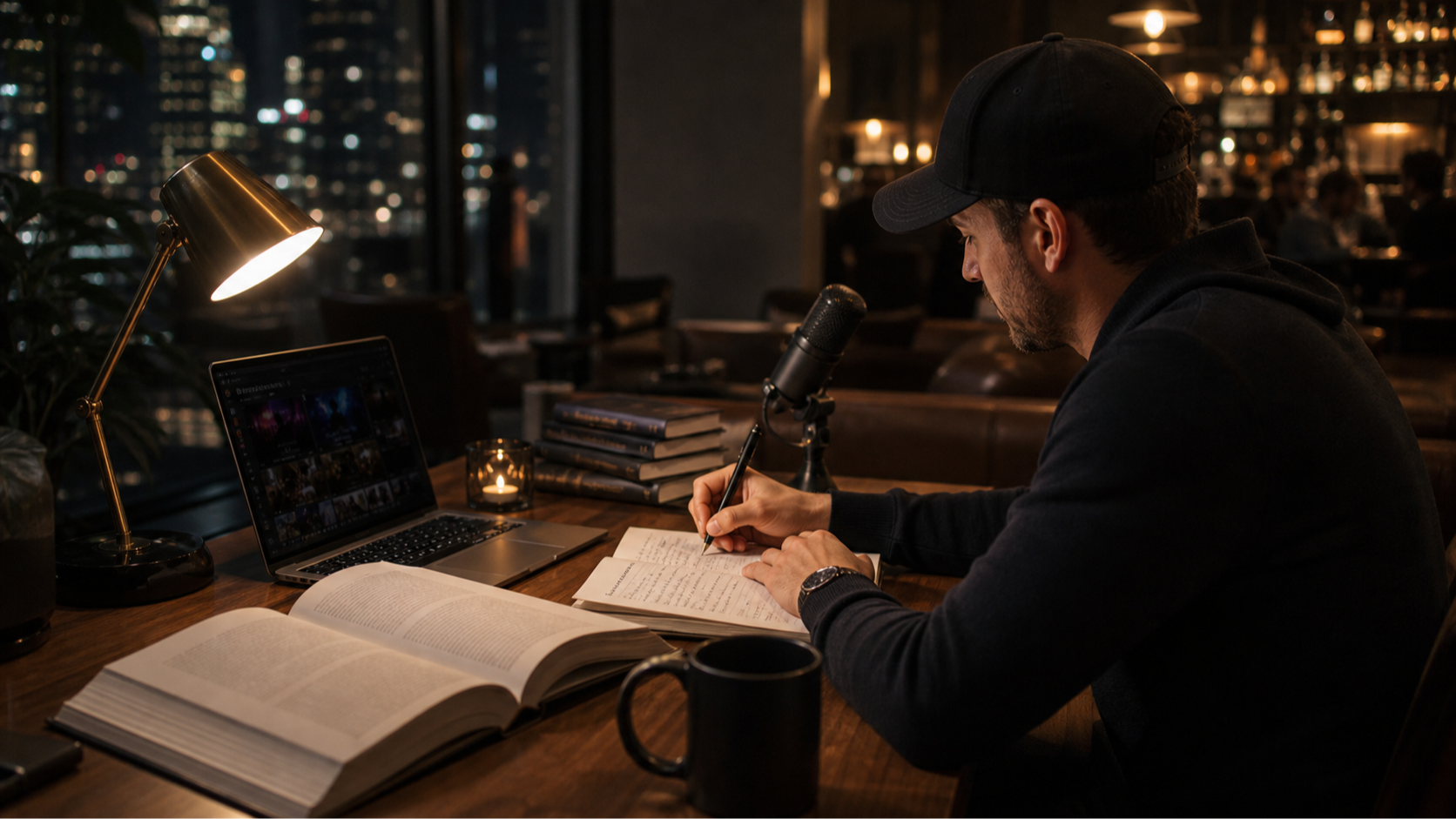
Nightlife Isn’t Dying. It’s Evolving.
A survival guide for the new hospitality industry. Julio Mario Zambrano explores how culture, community, changing consumer habits, and smarter operations are reshaping nightlife.
