
Walk the Room Like a Guest Before You Promote It
Walk the Room Like a Guest Before You Promote It
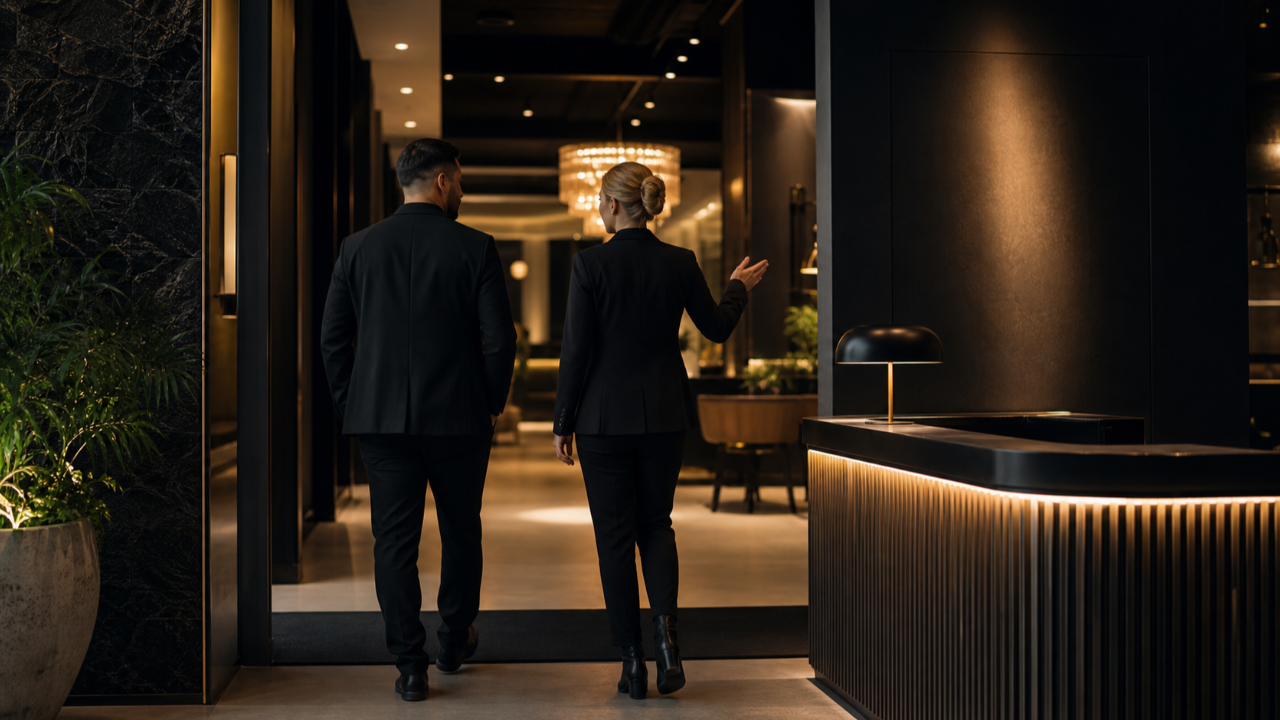
Before you put your name on a flyer, send a guest-list link, invite your people, or promise a certain kind of night, walk the room like a guest.
I mean really walk it.
Do not stand in the booth, look at the lights, and assume the venue is ready because the room photographs well. Start outside. Find the parking or drop-off point. Walk toward the entrance. Look at the sign. Stand where the line will form. Ask yourself what a first-time guest sees, hears, feels, and understands before they get through the door.
That small habit can save a promoter, a DJ, a manager, or a venue owner from a lot of expensive surprises.
Nightlife is not only promotion. It is not only music. It is not only a beautiful room or a strong recap video. It is a sequence of human moments. If the experience is confusing before the guest even reaches the bar, the marketing has to work twice as hard to get them back.
Nightlife is not dying. It is evolving. The teams that build stronger rooms will not only know how to create demand. They will know how to protect the guest experience they are asking people to trust.
Start before the front door
The guest journey begins before the venue believes it does.
Is the location easy to find? Is there a clear arrival point? Does the outside feel safe, organized, and consistent with what you promoted? Is the line visible? Is there a clear place for tables, guest list, tickets, or members to go? Can a first-time guest tell what they are supposed to do without feeling embarrassed for asking?
These details sound simple, but they shape the mood immediately. A guest may have made plans, dressed up, arranged transportation, invited friends, and chosen your event over several other options. If they arrive and do not know where to stand, who to speak to, or whether they are even in the right place, the energy drops before the night starts.
You cannot always control the building, the street, or the neighborhood. But you can control communication, signage, staffing, and whether the team is prepared to greet people with clarity.
Stand in the line and listen
The line is not empty time. It is part of the experience.
Stand there for a few minutes. Can guests hear what is happening inside? Is there enough information? Does the door team look organized? Are people being treated consistently? Is there a simple way to handle guest-list questions, tickets, table arrivals, accessibility needs, or someone who came because a promoter invited them?
The door does not need to be overly formal. It does need to be professional. Security and hospitality are not opposites. Clear standards, calm communication, and a respectful welcome protect the room better than confusion or attitude ever will.
As a promoter, you should know what your guests will experience at the door before you send them there. As a venue, you should know what was promised in the promotion before you expect the door team to carry it.
That is how a guest feels one brand instead of five disconnected people.
Walk the first five minutes inside
Once a guest gets through the door, the next few minutes decide whether the room feels intentional.
Where do they go? Can they see the host stand, bar, restrooms, coat check, tables, dance floor, or main room? Is the lighting helping them understand the space, or is it making everything harder? Is the music at the right volume for the arrival moment? Are there obvious bottlenecks? Is anyone available to orient a guest who looks lost?
This is not about turning nightlife into an airport. It is about removing unnecessary friction.
The best rooms make people feel like they belong quickly. A returning guest recognizes the rhythm. A first-time guest can find their way without stress. A table guest knows where to go. A person who came alone can feel welcomed instead of exposed. The room may still be moody, energetic, exclusive, or mysterious, but it should not be carelessly confusing.
Test the service as a real guest would
Promoters sometimes make a venue decision based on the deal, the capacity, or the look of the room. Those things matter, but they do not tell you how the venue treats people when it is busy.
Order something. Watch the bar. See how long it takes. Notice whether staff members communicate. Look at how tables are handled. Check whether a guest can ask a basic question without being passed around. Pay attention to the restrooms. Notice whether the room feels cared for after the first rush.
Hospitality is often revealed in the details nobody puts on the flyer.
A clean restroom will not make a weak concept strong, but a neglected one can weaken a strong concept fast. A calm bar team can make an active room feel alive. A confused bar team can make a beautiful room feel disorganized. A host who knows the plan can turn a small issue into a moment of care. A host who has no information can turn the same issue into a public frustration.
The guest does not separate these things. They simply decide whether the night felt worth repeating.
Listen from the places your guests will stand
Music is part of the venue walkthrough too.
Stand at the entrance. Stand at the bar. Stand near a table. Stand on the dance floor. Stand in any lounge or patio area. The room may sound very different from the DJ booth or the manager's office.
Can people talk where they are supposed to talk? Does the sound feel exciting where it is supposed to feel exciting? Are there harsh spots that make guests leave early? Does the music direction fit the people you are inviting? Does the volume make sense for the stage of the night?
A DJ can be excellent and still be set up poorly by the room. A sound system can be expensive and still be wrong for the guest experience. When promoters, DJs, and venue managers walk the room together, they can catch these issues before they become complaints, empty corners, or guests standing outside because inside feels uncomfortable.
Ask whether the room matches the promise
This is the question that matters most: does the actual room match what the market is being told?
If you are promoting a polished hospitality experience, does the arrival feel polished? If you are inviting people to a community-focused night, is there space for people to connect before the room gets loud? If you are selling tables, is the host flow organized enough to make that experience feel handled? If the event is music-first, is the sound and sightline worthy of the promise? If it is an earlier social, does the venue have the light, service, food, and rhythm to support it?
Do not make promises that the room cannot carry.
That does not mean you only work with perfect venues. Very few spaces are perfect. It means you understand the limitations, adjust the promotion honestly, and solve what can be solved before you invite people into the experience.
Bring the right people on the walkthrough
This should not be a solo exercise every time.
Bring the venue manager. Bring the door lead. Bring the host lead. Bring the DJ or talent representative when music is central to the concept. Bring the promoter who will be speaking directly to guests. Let each person see the room from the other person's job.
The promoter may notice that the guest-list process is unclear. The host may notice that table guests have no obvious arrival path. The DJ may notice that the early sound needs a different plan. The manager may notice that the promotion is promising something the staff has not been briefed on.
That is not criticism. It is preparation.
One good walkthrough can turn into a short operating plan: where people arrive, who handles questions, what the early experience looks like, what information the door needs, what the DJ needs to know, what service should expect, and what the follow-up process will be.
The flyer is a promise, not just an advertisement
The reason I care about this is simple. When you promote a night, you are asking people to trust you with their time, money, energy, and social plans.
That matters.
Your guests may not know the difference between the promoter, the venue, the door team, the DJ, and the service team. They experience all of it as the night you invited them to. They will remember whether it felt easy to arrive, whether they felt welcomed, whether the room made sense, whether the staff seemed aligned, and whether they would bring someone back next time.
So walk the room before you sell the room.
See it with fresh eyes. Fix what you can. Communicate what you cannot. Give the team a shared standard. Then promote with confidence because you know the experience behind the flyer has a chance to match the promise.
That is how a good event becomes a trusted one.
Join the Nightlife Entrepreneurs VIP Membership for practical frameworks, community, and ongoing support to build better events, stronger venue relationships, and hospitality experiences people remember.
Stay connected with news and updates!
Categories
All Categories
Have you read it?
Julio talks about his journey from being an immigrant at an early age and not being the most popular, not too confident and not having a clue about this Industry all the way to becoming the expert he is today. If this book doesn't motivate you to dive into the industry head first we don't know what will.
Nightlife Isn’t Dying. It’s Evolving.
A survival guide for the new hospitality industry. Julio Mario Zambrano explores how culture, community, changing consumer habits, and smarter operations are reshaping nightlife.
