
The Post-Event Debrief: How Smart Nightlife Teams Get Better Every Week
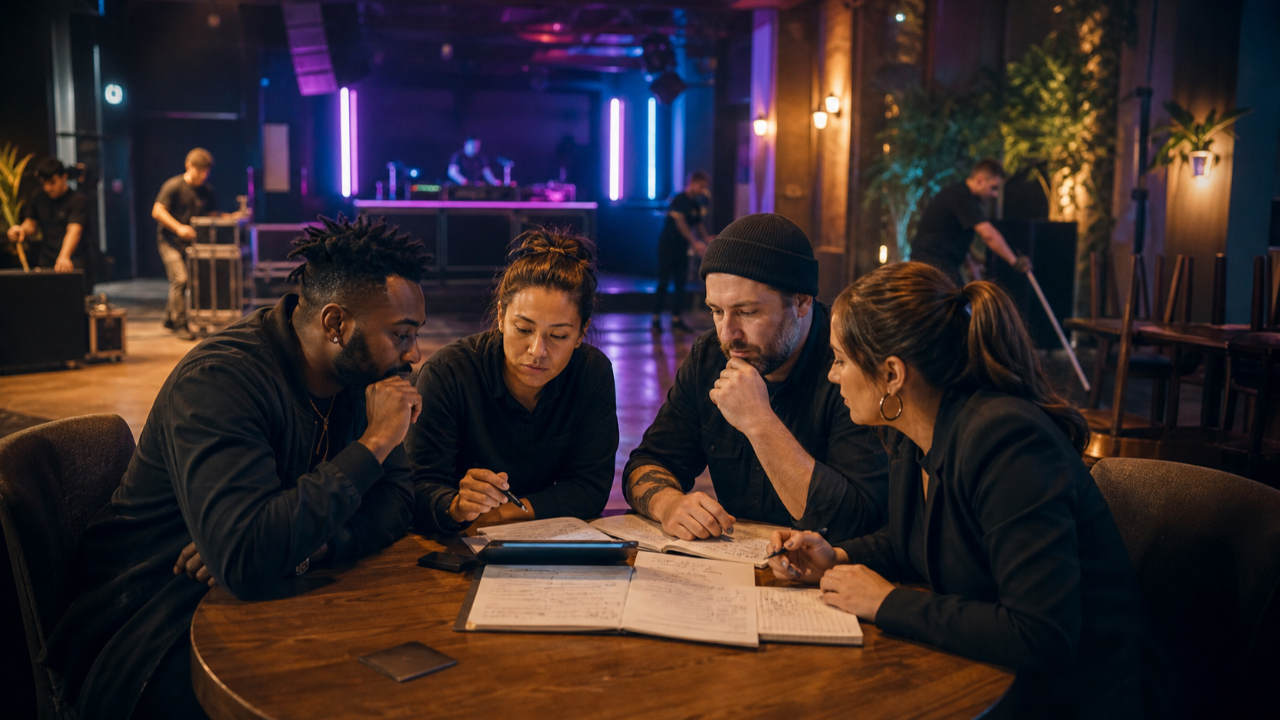
Before an event, every nightlife team has a conversation about the flyer, the DJ, the guest list, the tables, the staffing, and the moment the room should begin to move. That preparation matters. But when the lights come on, the promoter checks attendance, the DJ packs up, the manager closes tabs, and everyone is ready to go home. Too often, that is where the conversation ends.
By Monday, the next event is already being planned as if the last one did not just hand the team a full set of lessons. That is costly, because every room tells you something: who arrived early, which host brought the right people, what shifted the energy on the floor, where entry slowed down, what content guests actually shared, and whether the experience felt natural or forced. Nightlife is not dying; it is evolving. The teams that win in this era will not simply throw more events. They will learn faster from every event they throw.
The night is not over when the room closes
The end of the night is not the finish line; it is where the learning starts. For a promoter, the event reveals the real audience: not everybody who liked the flyer, but the people who showed up, stayed, spent, brought friends, and looked like they wanted to return. For a DJ, it shows what the crowd genuinely responded to, not just what seemed right on a playlist. For a venue owner or manager, it exposes where the operation is strong and where it is quietly losing money, trust, or energy. A concept can be solid while the door is messy, the host stand is unclear, or the crowd is not matching the brand. That information is incredibly valuable, but only if the team captures it while it is still fresh.
A debrief is not a complaint session
A useful debrief is not a complaint session. It is not the manager attacking the promoter, the promoter blaming the venue, or the DJ dismissing the crowd because they did not respond as expected. The better question is not, “Who do we blame?” It is, “What did the night teach us?” Once a team understands that the goal is learning, people stop protecting their egos and start protecting the room. They can talk honestly about what created revenue, what created friction, what confused guests, and what needs to change before the next event. That is what professional teams do: they pay attention.
Start with the promise of the night
Before judging whether an event worked, remember what it was meant to do. Maybe it was built to launch a weekly crowd, introduce a DJ, drive table revenue, test an alcohol-optional lane, create future marketing content, or turn a slow night into a real community night. Every event needs a promise, and the debrief should begin there. A music-first room cannot be judged only by bottle sales, while a premium table night cannot ignore whether the right guests felt cared for. When people use the same scoreboard for every event, they make the wrong decisions and then wonder why the brand feels confused.
Review the guest experience in order
One of the cleanest ways to review a night is to walk through it as a guest would. Did the invitation and caption make the promise clear? Could someone easily RSVP, buy a ticket, book a table, or get an answer? Was the door organized, the line controlled, and the welcome warm? Did security understand the tone? Did the music support the energy as people entered, and were tables, service, and content handled smoothly? Finally, did anyone give guests a reason to stay connected after they left? This simple exercise moves the team beyond the operator's perspective and toward the experience people actually had. That is where meaningful growth begins.
Look for the repeatable wins
Do not let the debrief become a list of problems. Every event also contains something worth repeating: perhaps the DJ's first hour set the right pace, a host brought the exact crowd the room needed, the seating strategy made service smoother, or a staff member turned a potential problem into a great guest experience. Identify those wins and make them part of the system. You do not build a strong event property by reinventing it every week. You build it by studying what creates trust and making those pieces stronger.
Turn problems into next actions
The debrief becomes practical when every issue has a next action. If the guest list was confusing, decide who will clean it before next week. If the door lacked VIP names, assign the person who will send the table sheet earlier. If the DJ did not understand the event promise, add a pre-door briefing. A bar rush may call for different staffing or prep, while missed content moments call for a tighter shot list. Keep it simple: one decision, one owner, one deadline. That is the difference between talking about improvement and actually improving.
Build the habit while the night is fresh
The best debrief does not need to take an hour. Ten minutes after close can capture immediate notes, fifteen minutes the next day can organize the lessons, and a weekly thirty-minute review can align the promoter, DJ, venue manager, host lead, and content team before the next event. Do it while the night is fresh, because memory gets unreliable fast: the promoter remembers the peak, the manager remembers the problem, and the host remembers promises rather than actual arrivals. Notes are better. A serious nightlife brand should not let every event disappear into screenshots, group chats, and opinions.
The smartest rooms learn faster
The future of nightlife belongs to people willing to become better operators, not merely better promoters. Better operators study the room, listen to guests, respect the staff, brief the DJ, follow the money without forgetting the culture, and turn every night into a lesson. That is how a weekly event becomes a real property, a promoter becomes a partner, a DJ becomes a brand, and a venue becomes a community. The post-event debrief is not glamorous, but guessing is far more expensive. The night gave you information. Use it.
Ready to build a stronger nightlife business? Join the Nightlife Entrepreneurs Members Community to learn the business behind the party, from promotion and guest experience to operations, community, and venue growth.
Stay connected with news and updates!
Categories
All Categories
Have you read it?
Julio talks about his journey from being an immigrant at an early age and not being the most popular, not too confident and not having a clue about this Industry all the way to becoming the expert he is today. If this book doesn't motivate you to dive into the industry head first we don't know what will.

Nightlife Isn’t Dying. It’s Evolving.
A survival guide for the new hospitality industry. Julio Mario Zambrano explores how culture, community, changing consumer habits, and smarter operations are reshaping nightlife.