
Build for the Regulars: Why Repeat Guests Are the Real Flex in Nightlife
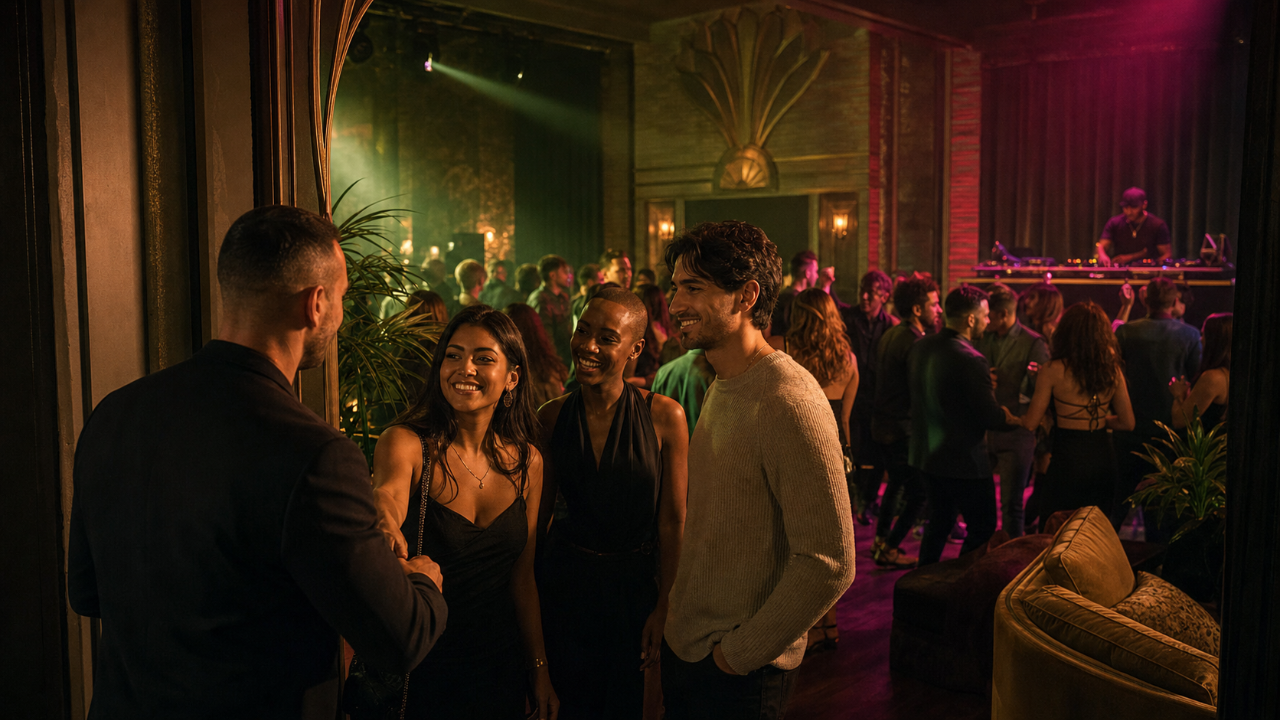
A packed room, a line outside, and a strong recap video all look good. Nightlife is visual, and nobody wants to promote an empty space or play to a floor that never catches. But a room full of strangers for one night is not the same thing as a business. The real flex is building a room that gives the right people a reason to return.
That does not mean new guests are unimportant or that a room should become predictable. It means regulars create the foundation that lets a night grow without starting from zero every week. Nightlife is not dying; it is evolving. The strongest brands will be the ones that make people feel recognized, connected, and part of something worth revisiting.
Attention is loud. Loyalty is quieter.
Attention is easy to see: the viral clip, the celebrity walk-in, the flyer getting shared, the table moment. Loyalty is quieter. It is the guest who returns every other Friday, the couple who brings friends next time, the DJ who tells people your room has a real vibe, and the bartender who knows someone’s name without making a performance out of it. It is a promoter remembering who prefers a table, who comes to dance, and who consistently supports the concept. Those guests have options and still choose your room. That is powerful, but a strategy built entirely around new attention can make you miss the people already showing you they care.
Repeat guests lower the pressure on promotion
Every event still needs marketing, content, outreach, partnerships, and a team that understands the assignment. Repeat guests do not replace promotion; they change the pressure. When nobody returns, each event becomes an emergency of new flyers, new blasts, new discounts, and new panic. That is survival mode with music. When people return, the room begins with trust instead of hope. The DJ feels it sooner, the staff recognizes faces, the promoter has real relationships to build on, and the content looks more natural because people are participating rather than merely attending. Promotion becomes stronger because you are inviting the right people into something that already has life.
Design moments that make people feel seen
Discounts, free shots, and bottle specials can help in the right context, but they are not the foundation of return behavior. People come back when they feel recognized, comfortable, and confident that the room has taste and knows what it is doing. They want to feel they can bring friends without hesitation and that there is a place for them in the culture of the night. Often that comes from small things: a host using someone’s name, a manager checking on a familiar table before there is a problem, a DJ reading the crowd without replaying the same night, or a promoter sending a genuine message instead of reaching out only when tickets are slow. That is hospitality. It is not fake VIP treatment; it is noticing people with intention.
Regulars protect the culture of the room
Every room has a culture, whether you design it or not. Some feel warm, some transactional, some chaotic, and some feel like everybody is waiting for someone cooler to arrive. The right regulars help protect the culture you want: they set the tone, welcome new people, respect the staff, understand the music, and bring friends who match the energy. They make the room feel lived in rather than rented for a night. That is why audience quality matters. The goal is not simply more regulars, but the right regulars. Guests who consistently create problems, disrespect staff, or make new people uncomfortable are not loyalty; they are a liability. A strong nightlife entrepreneur understands that they are shaping culture, not just filling space.
Give people a reason to return before they leave
Many teams wait until the energy is cold to invite guests back. The better move is to plant the return before they leave, in a way that feels genuine rather than pushy: tell someone a different DJ is joining next Friday, let them know the first hour is becoming special, or promise to send table information for the next date. This turns an event from a one-time transaction into an ongoing invitation. People like rhythms. They like knowing where they can go, what a night means, and that they have found something worth returning to before everybody else does.
Stop treating every guest the same after the event
Follow-up matters, but it should not all sound the same. A birthday table, a first-time guest, the person who brought five friends, and a venue regular have different relationships with the room. Teams can become much smarter simply by noticing behavior: who came, spent, brought friends, posted, asked about next week, or deserves a personal thank-you. This is not about turning nightlife into a cold sales funnel. It is about respecting that relationships are different. When someone supports your room, notice it; when they bring value, acknowledge it; and when they are ready to become part of the community, invite them deeper.
Build the room people can trust
Repeat guests are built on trust: trust that the music will make sense, the crowd will feel right, the door will not be a disaster, and the staff will treat them with respect. They trust the night will deliver what it promised and that friends they bring will understand why they came. That trust is earned over time. One great night helps, two create curiosity, and a run of consistent nights creates belief. Eventually, people build the room into their routine. At that point, you are no longer only selling an event; you are becoming part of someone’s social life. That is both a responsibility and the opportunity.
The future belongs to rooms people return to
The future of nightlife and hospitality is not only about louder marketing, bigger names, or more expensive production. It is about building rooms people trust: rooms with identity, hospitality, and rhythm, where promoters build relationships instead of just pushing links, DJs understand they are part of the guest experience, and staff know the regulars who strengthen the night. New energy matters, and repeat energy matters too. Learn to build both and you stop chasing random crowds; you start building a real nightlife brand. Fill the room and create the moment, but keep asking the bigger question: who is coming back? That is where the business begins.
Ready to build a stronger nightlife business? Start with Free Access inside the Nightlife University Main Lobby, then join the VIP Lounge when you are ready for the full course library, live calls, templates, and community.
Stay connected with news and updates!
Categories
All Categories
Have you read it?
Julio talks about his journey from being an immigrant at an early age and not being the most popular, not too confident and not having a clue about this Industry all the way to becoming the expert he is today. If this book doesn't motivate you to dive into the industry head first we don't know what will.

Nightlife Isn’t Dying. It’s Evolving.
A survival guide for the new hospitality industry. Julio Mario Zambrano explores how culture, community, changing consumer habits, and smarter operations are reshaping nightlife.